- Credentials
- LCSW
- License
- LCSW, Texas / 105046
- NPI
- 1699521641
About Charles
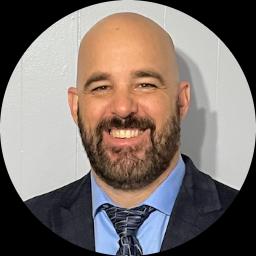
Charles May is an LCSW licensed in Texas with 3 years of clinical experience. He works with people dealing with stress, anxiety, addictions, anger, depression, grief, self-esteem issues, and bipolar-related concerns. Sessions are conducted in English and focus on practical steps to reduce distress.
Charles takes a straightforward, talk-based approach. He uses Client-Centered methods to listen and reflect what matters most to the person. He also uses Cognitive Behavioral Therapy to identify unhelpful thoughts and try new behaviors.
Background and approach
Motivational Interviewing is part of his work when someone wants change around substance use or habits. In sessions he focuses on short-term, actionable goals. That can mean breaking down overwhelming problems into steps.
It can also mean practicing new skills during and between meetings. He discusses coping strategies for panic attacks, mood swings, and social anxiety in clear language. He has experience helping people with drug and alcohol addiction and long-term mood disorders.
He also addresses isolation and post-traumatic stress with trauma-focused techniques when appropriate. He frames treatment as a collaboration about what feels most useful and realistic. People who choose him should expect plain language and a goal-oriented plan.
He asks about daily routines and stressors to make recommendations that fit real life. To start, he asks prospective clients to complete a short matching questionnaire and schedule a first session.
How Charles May uses approaches in online sessions
Client-Centered Therapy focuses on listening and reflecting back what the person says. In online sessions this means the therapist works to understand priorities and goals, and then shapes conversations around what the client finds most important. Cognitive Behavioral Therapy (CBT) looks at links between thoughts, feelings, and actions. Online CBT sessions typically include identifying unhelpful thoughts, trying practical experiments, and assigning brief exercises to practice between meetings to reduce anxiety or depression symptoms. Finding the best approach is a collaborative process. The therapist will talk with the client about goals and preferences and suggest strategies that fit those aims. If substance use change is a focus, Motivational Interviewing techniques may be used alongside CBT to increase readiness for change. Confirm which specific session formats are available before booking. The profile indicates online therapy is offered, but the exact session options should be checked when scheduling. Online sessions can make it easier to fit meetings into a busy day, allow shorter check-ins when time is limited, and reduce travel time so therapy fits routine life.Frequently asked questions
What concerns does he most often address?
What is his therapeutic style?
How much experience does he have?
What are his credentials and where is he based?
Which languages are supported and can international clients connect?
What session formats are offered?
How does pricing work?
How do I begin a first session?
Specialties and expertise
Top specialties
Also works with
- Anger management
- Bipolar disorder
- Depression
- Drug and alcohol addiction
- Grief
- Isolation / loneliness
- Mood disorders
- Panic disorder and panic attacks
- Post-traumatic stress
- Self esteem
- Social anxiety and phobia
Therapeutic approaches
- Experience
- 3 years
- Licensed
- Texas
- Languages
- English