Catherine Chapman, LCSW
Licensed Clinical Social Worker - stress and trauma
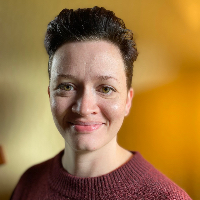
- Credentials
- LCSW
- License
- LCSW, Oklahoma / 5893; LCSW, Oregon / L13096; LCSW, North Dakota / 6253; LCSW, Maine / LC21229; LICSW, Washington / LW61324611
- NPI
- 1619597267
About Catherine
Catherine Chapman is a Licensed Clinical Social Worker (LCSW) licensed in North Dakota and Oregon and practices in Oklahoma with four years of post-licensure experience. She lists stress, anxiety, depression, trauma and abuse, grief, addictions, and caregiver and first responder concerns among the issues she helps people address.
She also notes work with LGBT concerns, eating issues, parenting stress, bipolar disorder, and career or life-change transitions. Her approach pairs evidence-based tools with brief, goal-oriented work.
Background and approach
She uses Cognitive Behavioral Therapy to identify unhelpful thinking and change behavior. She also uses EMDR to address traumatic memories and Mindfulness Therapy to build present-focused coping. Motivational Interviewing and Solution-Focused Therapy appear in her practice for targeted change and problem solving.
Sessions emphasize concrete skills and problem solving. Catherine draws on social work perspectives that look at strengths and the person-in-environment context. That means sessions include identifying supports, practical coping steps, and small goals to try between meetings.
She has prior experience in hospital and medical settings helping patients and families manage difficult health situations. That background informs work around grief, hospice and end-of-life issues, and the stress that can come with illness or caregiving. Her stated goal is to help people gain clearer understanding of their reactions and to offer tools to work through hard times.
Catherine aims to take sessions seriously, listen without judgment, and support clients as they test new strategies in daily life.
How her methods translate to online sessions
CBT focuses on spotting unhelpful thoughts and testing new behaviors. In online sessions this looks like talking through recent examples, setting small behavior goals, and reviewing how those changes went between meetings. It tends to help with anxiety, depression, and stress-related problems.EMDR addresses disturbing memories by pairing focused attention with guided processing. In practice she uses EMDR to reduce the intensity of traumatic reactions and to help people reprocess distressing events. Mindfulness Therapy teaches attention and breathing skills to reduce reactivity and increase moment-to-moment coping.
Choosing the right approach is part of the work. The therapist will review symptoms, goals, and preferences with each person and then suggest one or more methods to try. That decision is collaborative and can be adjusted as needs change.
Confirm which online session formats are currently offered before booking. When arranged, online sessions can make it easier to fit meetings into a busy schedule, require less travel time, and allow focused check-ins during a break from work or between other obligations. Talk with the therapist about what will best fit your everyday routine before scheduling.
Frequently asked questions
What concerns does she work with most?
What is her therapy style and approach?
How much clinical experience does she have?
What credentials and location are listed?
Which languages and international options are available?
What session formats does she offer?
How are costs handled?
How do I get started with her practice?
Specialties and expertise
Top specialties
Also works with
- Addictions
- Bipolar disorder
- Career difficulties
- Caregiver issues and stress
- Coaching
- Coping with life changes
- Divorce and separation
- Eating disorders
- First responder issues
- Grief
- Hospice and end-of-life counseling
- LGBT
- Parenting issues
- Post-traumatic stress
- Self esteem
- Trauma and abuse
- Veteran and Armed Forces Issues
Therapeutic approaches
- Experience
- 4 years
- Licensed
- Oklahoma, Oregon, North Dakota, Maine, Washington
- Languages
- English