- Credentials
- LMHC
- License
- LMHC, Florida / MH14234
- NPI
- 1770933764
About Cassandra
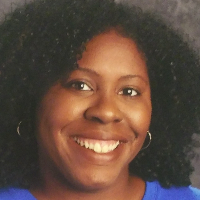
Cassandra Mitchell is a Florida Licensed Mental Health Counselor (FL LMHC) with eight years of clinical experience. She works with adults on stress, anxiety, parenting concerns, family-related issues, self-esteem, and depression. Sessions are conducted in English and she does not accept international clients.
Cassandra uses straightforward conversation and practical tools in session. She blends Client-Centered Therapy with cognitive-behavioral techniques and solution-focused work. That means she listens for what matters to the person and then helps them try small, concrete changes that can reduce symptoms and improve daily functioning.
Background and approach
She also draws on mindfulness exercises to help with intense emotions and on Dialectical Behavior Therapy strategies when people need skills for regulating mood and managing impulses. When relevant, she addresses adoption and foster care issues, caregiver stress, body image, substance use concerns, and multicultural considerations.
In sessions she talks through communication problems, codependency, guilt and shame, and problems that come up with family roles. She offers practical ways to cope with mood disorders, grief, and life-direction questions. Cassandra pays attention to how daily routines, relationships, and stressors affect mood and behavior.
People who choose her can expect a collaborative plan that focuses on short-term goals and skill building. She uses clear feedback and adjusts tools based on what helps. To begin, clients complete a short matching questionnaire and schedule a first session through the online options button.
Therapeutic approaches used in online sessions
Cognitive Behavioral Therapy (CBT) focuses on identifying unhelpful thinking patterns and testing small behavioral changes. It is often used for anxiety, depression, and problems with daily functioning.Client-Centered Therapy centers on listening and reflecting so the person can clarify their priorities and make choices. This approach supports people who want a collaborative, conversational style rather than directive instruction.
Dialectical Behavior Therapy (DBT) provides skills for managing strong emotions, reducing impulsivity, and improving interpersonal effectiveness. Clinicians often teach these skills in short practice exercises and homework between sessions.
Choosing an approach is a collaborative process. The therapist will review goals, preferences, and practical needs, then try methods that match those priorities. Adjustments are made based on what works in the first few sessions.
Confirm the exact session formats before booking, since formats are not listed in the biography. Online work can make it easier to fit therapy into a busy week, allow shorter check-ins when needed, and remove travel time. Those practical benefits often help people keep momentum while learning CBT, DBT, or client-centered skills.
Frequently asked questions
What concerns does she address most often?
What is her therapeutic style?
How much clinical experience does she have?
What are her credentials and where is she located?
Which languages are offered and are international clients accepted?
What session formats are available?
How is cost handled for sessions?
How do I get started working with her?
Specialties and expertise
Top specialties
- Stress, Anxiety
- Family conflicts
- Parenting issues
Also works with
- Adoption and foster care
- Body image
- Caregiver issues and stress
- Co-morbidity
- Codependency
- Communication problems
- Depression
- Domestic violence
- Drug and alcohol addiction
- Family problems
- Forgiveness
- Guilt and shame
- Impulsivity
- Life purpose
- Mood disorders
- Multicultural concerns
- Prejudice and discrimination
- Self esteem
- Self-love
- Women's issues
- Young adult issues
Therapeutic approaches
- Experience
- 8 years
- Licensed
- Florida
- Languages
- English