- Credentials
- LICSW, LCSW
- License
- LCSW, Maine / LC24462; LICSW, Alabama / 6257C
- NPI
- 1326847534
About Carrie
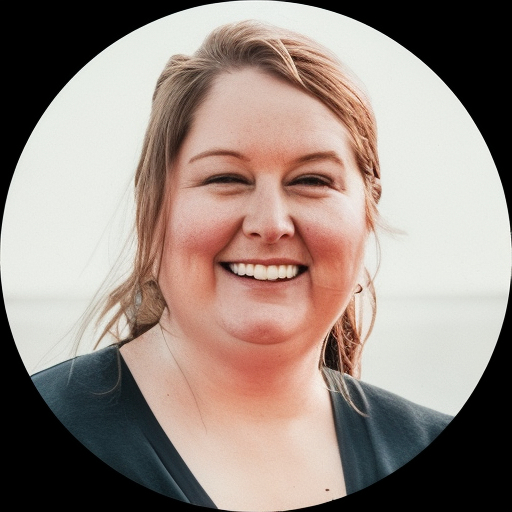
Carrie Harris is an LICSW (Licensed Independent Clinical Social Worker) in Alabama and an LCSW (Licensed Clinical Social Worker) in Maine with 13 years of professional experience. She works with people facing stress, anxiety, trauma and abuse, grief, low self-esteem, and major life changes. Sessions are offered in English and she practices from Maine.
Her work often focuses on practical coping skills. She helps people manage panic attacks, post-traumatic stress symptoms, and the emotional impact of serious illness, caregiving, adoption or foster care situations.
Background and approach
She also supports people dealing with guilt, shame, forgiveness, and women's issues. Carrie uses evidence-based therapeutic techniques and adapts how she works to fit what a person needs. She listens to a person’s concerns, discusses short- and longer-term goals, and uses straightforward strategies to address them.
Conversations are shaped around the caller's current problems and next steps. Her background across clinical settings includes helping people through hospice and end-of-life counseling and supporting cancer patients and their caregivers. She brings practical experience with trauma, grief, and the stress of big life transitions.
People who choose her can expect focused sessions that identify what is most pressing and then work on skills and perspectives to manage those issues. To start, she asks about immediate concerns, what has helped before, and what an achievable next step would look like.
Evidence-based approaches and online sessions
Carrie works with evidence-based therapeutic techniques that focus on skills and problem solving. Cognitive-behavioral approaches look at how thoughts, feelings, and behaviors interact and teach concrete strategies to reduce anxiety and panic symptoms. Trauma-focused methods address the effects of abuse and post-traumatic stress by helping a person process difficult memories and build coping tools.Choosing the right approach is part of the work together. The therapist will talk through goals, past attempts that helped or didn’t, and preferences before agreeing on which methods to use. That collaborative discussion guides whether short-term skill work or longer trauma-focused work is the best fit.
Confirm current session options before booking to know which online formats are offered. Online sessions can make it easier to fit therapy into a busy life by removing travel time and allowing sessions from wherever is convenient. They can also let people schedule brief check-ins or longer weekly appointments depending on need. Many clients find online sessions help maintain consistency while they work on stress, grief, trauma, and day-to-day coping.
Frequently asked questions
What concerns does she work with most?
What is her therapeutic style?
How much experience does she have?
What are her credentials and where does she practice?
Which languages are supported?
Does she work with international clients?
How does pricing work?
How do I begin a first session?
Specialties and expertise
Top specialties
Also works with
- Adoption and foster care
- Autism and Asperger Syndrome
- Cancer
- Caregiver issues and stress
- Coping with life changes
- Forgiveness
- Guilt and shame
- Hospice and end-of-life counseling
- Panic disorder and panic attacks
- Post-traumatic stress
- Self esteem
- Women's issues
- Experience
- 13 years
- Licensed
- Maine, Alabama
- Languages
- English