- Credentials
- LCSW
- License
- LCSW, California / 22255
- NPI
- 1770885964
About Thomas
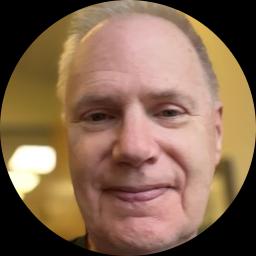
Thomas May is a Licensed Clinical Social Worker (LCSW) in California with 41 years of clinical experience. He works with people facing relationship strain, family conflict, grief, low self-esteem, and major life changes. Sessions are described in straightforward terms and focus on practical problem solving and clearer communication.
May draws on Client-Centered and Existential approaches to help people sort through what matters to them now. He uses talk therapy to address midlife transitions, workplace stress, and social anxiety.
Background and approach
He also works with people managing chronic illness, caregiver stress, and the emotional impact of divorce and separation. In sessions he pays attention to how a person makes meaning from events and how that affects choices and mood. He helps people notice patterns in thinking and relating that get in the way, and then tries out different ways of communicating and coping.
He also supports work on forgiveness, guilt, and rebuilding confidence. May often focuses on concrete skills such as improving communication, reducing isolation, and clarifying life purpose. He works with men on issues common in midlife, and with anyone feeling overwhelmed by money worries, workplace conflict, or chronic pain.
He describes therapy as a collaborative effort to find what helps in daily life. Sessions are offered in English from California. Prospective clients should confirm current session options before booking and follow the site's process to select a plan and schedule a first session.
How Thomas May applies client-centered and existential work online
Client-Centered Therapy focuses on listening closely and following the client’s goals. The therapist offers reflection and steady feedback so a person can clarify feelings and decide next steps. This approach is helpful for relationship work, self-esteem, and improving communication.Existential Therapy looks at meaning, responsibility, and life choices. It helps people facing midlife questions, grief, or major changes to name what matters and to consider how they want to live going forward. Sessions using this approach involve candid conversation about values and practical options.
Finding the right approach is part of the work. The therapist will talk with each person about goals and preferences and then recommend whether Client-Centered, Existential, or a mix fits best. This is a collaborative decision made early in the process.
Confirm current session options before booking because the profile does not list specific formats. Online sessions can make it easier to fit therapy into a busy day, reduce travel time, and allow shorter check-ins when helpful. Many people find that remote sessions let them keep therapy consistent around work, caregiving, or health demands.
Frequently asked questions
What concerns does he work with most?
Which therapeutic approaches does he use?
How much clinical experience does he have?
What credential and location are listed?
Which languages are supported and can international clients join?
What session formats are available?
How are fees handled?
What are the first steps to begin?
Specialties and expertise
Top specialties
- Relationship issues
- Family conflicts
- Grief
Also works with
- Caregiver issues and stress
- Chronic pain, illness, and disability
- Communication problems
- Coping with life changes
- Divorce and separation
- Forgiveness
- Guilt and shame
- Isolation / loneliness
- Life purpose
- Men's issues
- Midlife crisis
- Money and financial issues
- Mood disorders
- Self esteem
- Self-love
- Social anxiety and phobia
- Workplace issues
Therapeutic approaches
- Experience
- 41 years
- Licensed
- California
- Languages
- English