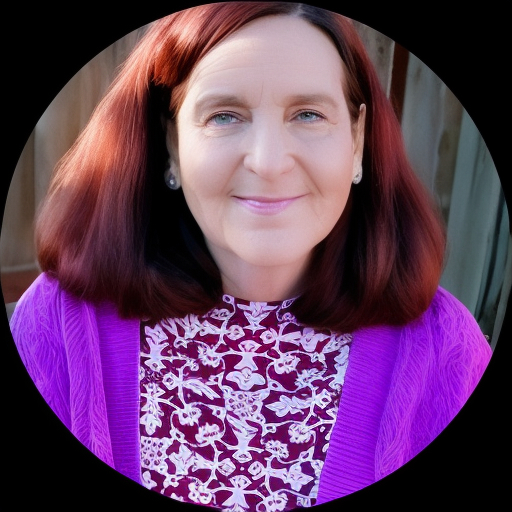
- Credentials
- LCSW
- License
- LCSW, California / 134699
- NPI
- 1821502337
About Suzanne
Suzanne Shumaker is a Licensed Clinical Social Worker (LCSW) in California with three years of clinical experience. She works with people facing stress, anxiety, addiction concerns, low self-esteem, depression, and life changes. Suzanne also focuses on communication problems, forgiveness, guilt and shame, life purpose, post-traumatic stress, and self-love.
She takes a straightforward, person-focused approach. Sessions involve listening to what matters most, outlining short-term coping steps, and practicing skills to manage distress.
Background and approach
Suzanne uses techniques from client-centered therapy, cognitive behavioral therapy, and dialectical behavior therapy to guide sessions without overwhelming clients with jargon. In therapy she helps people process painful events, reduce self-criticism, and rebuild daily routines that feel manageable. Work often includes breaking difficult problems into small steps and trying concrete tools between sessions.
Suzanne pays attention to how thoughts, behaviors, and emotions interact to find practical starting points. She also supports people working through addiction recovery and grief by focusing on present needs and achievable goals. Conversations may cover communication patterns and choices that affect relationships and daily life.
Suzanne aims to make therapy fit into everyday life. She invites clients to set priorities, try different strategies, and adjust the plan as needed. For people comparing options, she is a California LCSW who emphasizes clear steps and collaborative problem solving.
How her approaches translate to online therapy
Client-centered therapy focuses on a collaborative conversation. The therapist listens for what matters to the client and follows their lead to set goals and priorities. This approach can help when someone needs support finding direction or rebuilding motivation.Cognitive behavioral therapy, or CBT, looks at how thoughts, feelings, and actions interact. Online CBT sessions often include identifying unhelpful thinking patterns, practicing alternative responses, and using short between-session exercises to test new habits. It is commonly used for anxiety, depression, and stress management.
Dialectical behavior therapy, DBT, emphasizes emotion regulation and coping skills. In sessions the therapist may teach breathing or grounding techniques, work on distress tolerance, and practice interpersonal skills that reduce conflict and shame.
Finding the right approach is part of the work. The therapist will discuss goals, try methods, and adjust the plan together based on what fits the client's needs and preferences. This is meant to be collaborative rather than fixed.
Confirm the current session formats before booking so you know how appointments are scheduled. Online work can make it easier to fit therapy into a busy life by removing travel and allowing shorter check-ins when needed. It can also reduce time away from work or caregiving while keeping the focus on practical skills and real-life changes.
Frequently asked questions
What concerns does she commonly address?
What therapeutic approaches does she use?
How much clinical experience does she have?
What credential and region does she represent?
Which languages are offered in sessions?
Can international clients work with her?
How are sessions paid for?
How do I begin working with her?
Specialties and expertise
Top specialties
Also works with
Therapeutic approaches
- Experience
- 3 years
- Licensed
- California
- Languages
- English