- Credentials
- LMHC
- License
- LMHC, Florida / MH12105
- NPI
- 1548788466
About Susan
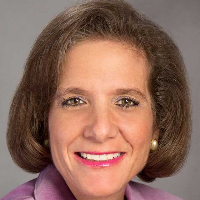
Susan Resnik is a Florida-licensed mental health counselor (LMHC) with 20 years of clinical experience. She works with people facing stress, anxiety, depression, grief, relationship concerns, and parenting strain. She also focuses on codependency, communication problems, commitment issues, and issues common to women and young adults.
Susan uses short-term and skills-based approaches alongside deeper emotion work. Sessions often involve noticing patterns, trying new behaviors, and practicing concrete skills between meetings.
Background and approach
She uses methods drawn from Cognitive Behavioral Therapy and Acceptance and Commitment Therapy to address difficult thoughts and avoidant habits. Her style also includes client-centered listening and elements of Emotionally-Focused Therapy to help people name feelings and improve how they connect with others. Dialectical Behavior Therapy skills are used when emotional regulation and distress tolerance are priorities.
The overall aim is to help people manage overwhelming moments and make clearer choices about relationships and life direction. Susan works with individuals who want practical tools and an opportunity to talk through painful experiences. She guides conversations on guilt, shame, forgiveness, and self-love in ways that are straightforward and concrete.
People who are exploring life purpose or coping with young adult transitions may find this approach relevant. Sessions are offered in English and are provided by a Florida LMHC. Before booking, confirm current session options and formats on the site.
How therapeutic approaches are used in online sessions
Acceptance and Commitment Therapy (ACT) helps people notice painful thoughts and still take actions that match their values. In online sessions this looks like identifying values, practicing small committed steps, and using mindfulness exercises to reduce avoidance. Cognitive Behavioral Therapy (CBT) focuses on the links between thoughts, feelings, and behaviors. Virtually this often means tracking thoughts between sessions, testing beliefs with behavioral experiments, and practicing specific skills that reduce anxiety and depressive symptoms.Finding the right approach is part of the work. The therapist will collaborate with each person to choose which methods to try first based on goals, day-to-day needs, and personal preference. That decision can shift as progress is made and new issues come up.
Confirm the session formats offered before booking, since formats are listed on the therapist profile. Online sessions can make it easier to fit therapy into a busy schedule, shorten travel time, and allow for quicker check-ins when needed. They can also let someone practice skills in the settings where problems arise, such as trying communication tools after a difficult conversation. Licensed professionals can adjust pacing, assign short between-session exercises, and focus sessions on immediate concerns or deeper emotional work depending on what the client wants.
Frequently asked questions
What concerns does she commonly address?
How would you describe her therapeutic approach?
How much experience does she have?
What are her credentials and where does she practice?
Which languages are offered and can international clients join?
What session formats are available?
How is cost handled?
How do I begin working with her?
Specialties and expertise
Top specialties
- Stress, Anxiety
- Relationship issues
- Grief
Also works with
- Codependency
- Commitment issues
- Communication problems
- Depression
- Forgiveness
- Guilt and shame
- Life purpose
- Parenting issues
- Self-love
- Women's issues
- Young adult issues
Therapeutic approaches
- Experience
- 20 years
- Licensed
- Florida
- Languages
- English