- Credentials
- APS, AHPRA
- Registration
- APS, Australia / 110909; AHPRA, Australia / PSY0001133368
About Sophie
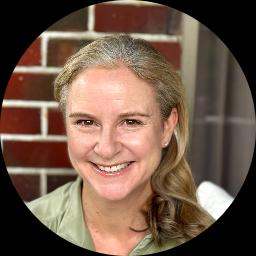
Sophie Dunstone is an APS psychologist and a registered practitioner with AHPRA, with 20 years' experience working in Australia and internationally. She works with people experiencing stress, anxiety, trauma and abuse, grief, eating concerns and depression. Sophie trained in Adelaide and holds a Master of Psychology (Clinical).
Sophie sees common presentations such as panic attacks, obsessive compulsive behaviours and mood disorders. She also supports people facing pregnancy and childbirth related mood changes, postpartum depression and complex grief.
Background and approach
Eating and body image concerns are part of her day-to-day caseload. Her practice draws on Cognitive Behaviour Therapy, Dialectical Behaviour Therapy, Client-Centred and Trauma-Focused approaches. Sessions focus on clear strategies, manageable goals and skills practice.
Sophie helps people notice unhelpful patterns and try different responses in everyday life. Sophie has worked in a range of settings including public mental health services and independent practice. She has lived and worked in Adelaide, Sydney, London, Hong Kong and Singapore, and has experience across age ranges.
That background informs a practical approach to common clinical problems. When someone first makes contact Sophie uses an initial discussion to clarify concerns and plan next steps. That early conversation is used to agree goals and pick methods likely to be helpful.
Ongoing work balances skills, symptom-focused techniques and attention to life circumstances.
How Sophie adapts CBT and DBT to online work
Sophie commonly uses Cognitive Behaviour Therapy and Dialectical Behaviour Therapy in sessions. CBT focuses on identifying unhelpful thought patterns and testing different behaviours. It is often used for anxiety, panic and mood problems by setting small experiments and homework tasks. DBT teaches practical emotion regulation and distress tolerance skills. It is useful when strong emotions, self-harm urges or intense interpersonal stress are present.She also draws on trauma-focused methods when traumatic experiences are central to a person's difficulties. Trauma-focused work typically involves careful pacing, making sense of traumatic memories and building coping skills before tackling detailed processing. Choosing which approach to use is collaborative. Sophie will discuss options, outline what different methods involve and decide with the client which fits their needs and preferences.
Session formats should be confirmed before booking. The therapist's clinical approaches are well suited to structured remote sessions because they use skills training, homework and short behavioural experiments that fit into daily life. Online work can make it easier to schedule appointments, fit sessions around family or work commitments and review written exercises between meetings. Confirm the currently available session options when you arrange the first appointment.
Frequently asked questions
What kinds of concerns does she work with most?
Which therapeutic approaches does she use?
How much clinical experience does she have?
What credentials and location are listed?
In what languages are sessions offered?
Does she see international clients?
How is cost handled?
How do I start working with her?
Specialties and expertise
Top specialties
Also works with
- Body image
- Communication problems
- Depression
- Eating and food-related issues
- Eating disorders
- Family of origin issues
- Family problems
- Guilt and shame
- Mood disorders
- Obsessions, compulsions, and OCD
- Panic disorder and panic attacks
- Post-traumatic stress
- Postpartum depression
- Pregnancy and childbirth
- Self-harm
- Social anxiety and phobia
Therapeutic approaches
- Experience
- 20 years
- Registration
- APS, AHPRA
- Languages
- English