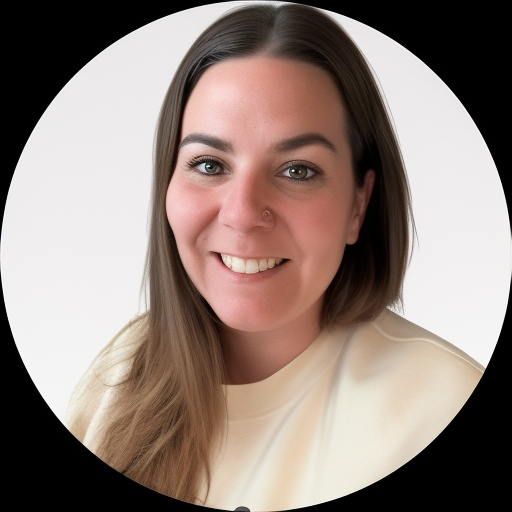
- Credentials
- LCSW
- License
- LCSW, California / 126610
- NPI
- 1144872714
About Sandra
Sandra Acosta is a Licensed Clinical Social Worker (LCSW) practicing in California with eight years of experience. She focuses on helping people who are dealing with anxiety, depression, relationship stress, trauma and abuse, and low self-esteem. Sessions are conducted in English and intended for adults in California; international clients are not accepted.
Sandra helps people untangle patterns that keep them stuck. She works with mood disorders, panic attacks, and symptoms that arise after sexual assault or other traumatic events.
Background and approach
Communication problems, attachment issues, dissociation, and feelings of guilt or shame are also common topics in her work. In sessions she assists clients in identifying practical steps to manage intense emotions and to improve everyday functioning. That can include strategies for coping with panic, approaches to reduce depressive symptoms, and ways to address isolation or relationship strains.
The focus is on clear, usable tools rather than abstract theory. Sandra also works with people navigating non-monogamous relationships and the specific challenges those arrangements can bring. She addresses personality disorder-related concerns, post-traumatic stress, and seasonal affective disorder alongside other mood concerns.
Self-harm thoughts and behaviors are handled directly and with attention to safety and stabilization. Her practice uses a subscription model for sessions, and the subscription can be canceled at any time. To begin, prospective clients complete a short matching questionnaire and schedule a first session through the online therapy options button.
This starts a process to match therapeutic needs with available scheduling.
Evidence-based approaches and online care
Many therapists who work with trauma and mood concerns use techniques that focus on skills and coping. One common approach is skills-based therapy, which teaches concrete strategies for emotion regulation, distress tolerance, and reducing panic symptoms. These tools help people manage intense moments and improve day-to-day functioning.Another frequently used method is trauma-informed care that pays attention to how past events affect present reactions. This approach helps people recognize patterns tied to shame, dissociation, or reactivity and then practice safer ways of relating and responding. Both approaches are meant to be practical and goal-oriented, applied step by step.
Finding the right approach is part of the work. The therapist will collaborate with the client to identify which techniques fit best with their goals, symptoms, and personal preferences. That process can include trying methods and adjusting them based on what helps most.
Confirm the exact online session options when you book, as formats are not detailed here. Online sessions can make it easier to fit therapy into a busy life by removing travel time and allowing appointments from different locations. They also allow shorter check-ins when needed and options that reduce the need to be on camera. Ask about the specific session formats offered before your first appointment.
Frequently asked questions
What concerns does she focus on most?
What is her therapeutic style?
How much experience does she have?
What are her credentials and location?
Which languages are sessions offered in?
What session formats does she offer?
How are sessions charged?
How do I get started?
Specialties and expertise
Top specialties
- Stress, Anxiety
- Relationship issues
- Trauma and abuse
Also works with
- Attachment issues
- Communication problems
- Depression
- Dissociation
- Guilt and shame
- Isolation / loneliness
- Mood disorders
- Panic disorder and panic attacks
- Personality disorders
- Polyamory / non-monogamous relationships
- Post-traumatic stress
- Seasonal Affective Disorder (SAD)
- Self esteem
- Self-harm
- Sexual assault and abuse
- Experience
- 8 years
- Licensed
- California
- Languages
- English