- Credentials
- LMFT, LMHC
- License
- LMFT, Florida / MT2404; LMHC, Florida / MH9698
- NPI
- 1285760702
About Phyllis
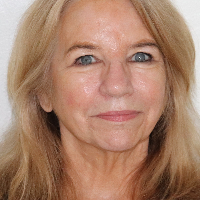
Phyllis Marcus is a Licensed Marriage and Family Therapist (LMFT) and a Licensed Mental Health Counselor (LMHC) in Florida. She has practiced for 30 years and offers work with stress, anxiety, relationship difficulties, trauma and abuse, grief, depression, addictions, LGBT issues, and family concerns. Over three decades she has counseled people in a wide range of situations.
Her experience includes work with individuals affected by violence, adults and adolescents dealing with substance use, and people who have faced serious mental health challenges.
Background and approach
Earlier in her career she provided services to people with developmental disabilities. She uses a mix of approaches rather than a single method. Sessions draw on methods such as Acceptance and Commitment Therapy, Cognitive Behavioral Therapy, Attachment-Based ideas, Emotionally-Focused Therapy, and client-centered work.
The focus is on practical steps clients can try between sessions and clearer communication in relationships. Phyllis pays attention to patterns in relationships and to how feelings and thoughts influence behavior. She helps people identify values, set manageable goals, and practice skills for handling stress and conflict.
Conversations emphasize what feels important now and what small changes could make life steadier. Her practice accepts international clients and conducts work in English. Before booking, clients should confirm current session options and scheduling details through the site’s online process.
How her approaches translate to online work
Acceptance and Commitment Therapy (ACT) focuses on clarifying personal values and taking small actions that match those values. It helps people manage anxiety, stress, and stuck patterns by practicing present-moment skills and committed steps toward what matters. Cognitive Behavioral Therapy (CBT) looks at how thoughts and behaviors interact and teaches specific strategies to change unhelpful thinking and reduce symptoms of depression and anxiety. Emotionally-Focused Therapy (EFT) pays attention to emotional responses and relationship patterns to help people improve connection and communication in close relationships.Choosing the right approach is part of early sessions. The therapist works collaboratively to identify issues, try methods, and adjust the plan based on what helps most. Clients can expect a practical discussion about goals and methods rather than a fixed protocol.
The biography indicates online work is offered, but it does not list specific formats. Confirm current session formats before you book. Online sessions can make it easier to fit therapy into a busy day, allow shorter check-ins when needed, and remove travel time. They also let people keep continuity of care when schedules or locations change. Licensed professionals can adapt ACT, CBT, and EFT tools to an online setting by using conversation, homework tasks, and guided exercises during sessions.
Frequently asked questions
What concerns does she address most often?
What is her therapeutic style?
How much experience does she have?
What credentials and location are listed?
Which languages are supported and can she see international clients?
What session formats are available?
How does billing and cost work?
How do I begin working with her?
Specialties and expertise
Top specialties
- Stress, Anxiety
- Relationship issues
- Trauma and abuse
Also works with
- Addictions
- Communication problems
- Depression
- Family conflicts
- Grief
- LGBT
Therapeutic approaches
- Experience
- 30 years
- Licensed
- Florida
- Languages
- English