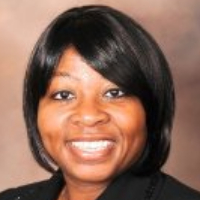
- Credentials
- LISW-CP
- License
- LISW-CP, South Carolina / 11435
- NPI
- 1811400443
About Meridith
Meridith Graham is a South Carolina LISW-CP with 13 years of experience as a clinical social worker. She works with people facing stress, anxiety, depression, trauma and abuse, grief, anger, low self-esteem, coping with life changes, and ADHD. Sessions are offered in English and the practice does not accept international clients.
She focuses on straightforward conversation about what is causing trouble now and what can help next. She uses approaches such as client-centered work and cognitive behavioral ideas to identify unhelpful patterns and try different ways of responding.
Background and approach
Narrative techniques are used to help people reframe difficult events and the meanings those events hold. She also draws on trauma-focused strategies when safety and past harm need direct attention. Sessions aim to be interactive and practical, with time spent on strategies people can use between meetings.
Problem-solving and short-term goal work are part of her mix when quick changes are needed. Her LISW-CP credential indicates clinical social work practice in South Carolina. Meridith structures work around clear goals and regular check-ins about progress.
She uses questions and reflections as core tools to help people notice patterns and decide on small next steps. Costs vary by location and sessions are provided through a subscription model that can be canceled at any time. To begin, a person completes a short matching questionnaire and schedules a first session through the online therapy options button.
Therapeutic approaches used in online sessions
Client-centered work focuses on listening and reflecting so people can sort out what matters to them and decide next steps. It is useful for building clarity about personal goals and values.Cognitive Behavioral Therapy, or CBT, looks at how thoughts, feelings, and actions link together. It helps people spot unhelpful thinking patterns and try new behaviors to reduce anxiety and depression symptoms.
Trauma-focused methods address the impact of past harm by creating structured ways to approach difficult memories and reactions. This can help when trauma-related symptoms are getting in the way of daily functioning.
Choosing the best approach is a collaborative process. The therapist will work with each person to match methods to their needs, goals, and preferences, and adjust the plan as progress is reviewed.
If you are considering online sessions, confirm the current session formats before booking. The benefits of remote work include easier fitting sessions into a busy week, shorter check-ins when time is limited, and options that avoid the need to travel. Therapists and licensed professionals often find online work can make scheduling simpler while preserving the same therapeutic methods used in person.
Frequently asked questions
What concerns does she work with most?
How would you describe her therapeutic style?
How much clinical experience does she have?
What credential does she hold and where is she based?
Which languages are sessions offered in?
Can people outside the United States work with her?
How are sessions priced?
How do you get started?
Specialties and expertise
Top specialties
Also works with
- ADHD
- Anger management
- Coping with life changes
- Depression
- Self esteem
Therapeutic approaches
- Experience
- 13 years
- Licensed
- South Carolina
- Languages
- English