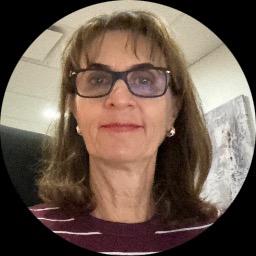
Marie-Louise Carmody, APS, AHPRA
Clinical Psychologist - Stress and Anxiety
- Credentials
- APS, AHPRA
- Registration
- APS, Australia / 173484; AHPRA, Australia / PSY0002158076
About Marie-Louise
Marie-Louise Carmody is a Clinical Psychologist registered with AHPRA and a member of the Australian Psychological Society (APS). She has nine years of clinical experience helping people who are coping with stress, anxiety and depression. Marie-Louise also works with concerns such as abandonment, attachment issues, dissociation and problems with eating or self-image.
She describes patterns that start in earlier life as often shaping how people respond now. In sessions she looks at relationship patterns and how they affect mood and behaviour.
Background and approach
That includes attention to emotional regulation, impulsivity and difficulties that can feel empty or isolating. Her approach draws on relational psychodynamic ideas and mentalisation-based therapy alongside trauma-informed informed practices and other evidence-based techniques. Sessions are collaborative.
The focus is on understanding recurring reactions and testing out new ways of relating and responding. Marie-Louise aims to help people move beyond symptom management. Work in therapy focuses on building insight into self and relationships, improving emotional coping, and reducing distress from longstanding patterns.
She also attends to problems linked to personality vulnerabilities and complex trauma. People who begin with limited clarity about their concerns are invited to start small. The first sessions usually map patterns and priorities.
From there she and the person agree on practical steps and ways to measure progress.
Therapeutic approaches and online sessions
Marie-Louise uses relational psychodynamic ideas, which focus on how early relationships shape current patterns. This approach helps when people notice repeating reactions in relationships and want to understand where they come from.She also uses mentalisation-based therapy. That method helps people recognise and name their own thoughts and feelings and understand others' perspectives, useful for attachment issues and impulsivity.
Finding the right approach is part of the work. She will discuss different techniques and together with the client decide what fits best for their goals and preferences. This is a collaborative process that can change as therapy progresses.
Confirm the specific online session options before booking, as session formats are set by the therapist's practice. Online sessions can make it easier to fit therapy into a busy week, reduce travel time and allow shorter check-ins when needed. They also let people join from different locations within Australia, though international clients are not accepted. Practical arrangements such as scheduling and subscription payments are covered when arranging the first session.
Frequently asked questions
What concerns does she focus on?
How does she work with people?
How much clinical experience does she have?
What credentials and location are listed?
Which languages are supported for sessions?
Can international clients work with her?
How are session costs handled?
What steps start the process?
Specialties and expertise
Top specialties
Also works with
- Abandonment
- Antisocial personality
- Attachment issues
- Autism and Asperger Syndrome
- Avoidant personality
- Codependency
- Communication problems
- Dissociation
- Eating and food-related issues
- Emptiness
- Family problems
- Guilt and shame
- Impulsivity
- Isolation / loneliness
- Life purpose
- Midlife crisis
- Mood disorders
- Narcissism
- Obsessions, compulsions, and OCD
- Panic disorder and panic attacks
- Personality disorders
- Post-traumatic stress
- Self-love
- Social anxiety and phobia
- Veteran and Armed Forces Issues
- Women's issues
- Workplace issues
- Young adult issues
- Experience
- 9 years
- Registration
- APS, AHPRA
- Languages
- English