- Credentials
- LCSW
- License
- LCSW, North Carolina / C013517
- NPI
- 1881383776
About Kara
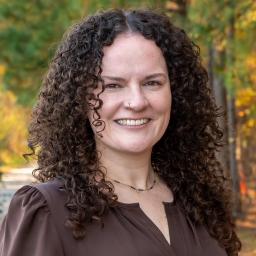
Kara Goel is a Licensed Clinical Social Worker (LCSW) in North Carolina with five years of professional experience. She works with people who are struggling with stress, anxiety, low self-esteem, depression, and life changes. Sessions focus on practical steps and conversational support to help people manage current problems.
She uses a client-centered approach, which means conversations revolve around each person’s priorities and pace. Motivational interviewing is applied when people want to change behaviors such as smoking or vaping; it concentrates on resolving mixed feelings and building readiness.
Background and approach
Solution-focused techniques are used to set clear, short-term goals and identify small actions that make a difference day to day. Kara pays attention to workplace stress and issues that affect women’s health and wellbeing. She also supports people facing communication problems, questions about life purpose, somatization concerns, and self-love challenges.
The work often involves setting realistic steps, practicing new ways of talking about problems, and tracking progress over time. Her style is direct and practical. Conversations aim to clarify what is most troubling, find manageable first steps, and check in on progress.
People who prefer straightforward, goal-minded sessions may find this approach useful. Kara offers sessions in English and accepts international clients. Before booking, confirm current session options and formats to make sure they match your needs.
How Kara Uses Client-Centered and Goal-Focused Methods Online
Client-centered therapy centers conversations on what matters most to the person. The therapist listens, reflects, and follows the client’s lead to identify priorities and next steps. This approach helps when people need space to clarify feelings and decide what to work on next.Motivational interviewing targets ambivalence about change. It uses open questions and reflective listening to strengthen motivation for behaviors like smoking or vaping cessation. This method is useful when someone wants to build readiness and pick small, achievable moves forward.
Solution-focused therapy concentrates on concrete goals and practical actions. Sessions look for exceptions to problems and create short-term steps that fit into daily life. This approach supports people who prefer action-oriented work and measurable progress.
Choosing the right mix of methods is part of the process. The therapist will collaborate with each person to identify which approaches fit their needs, goals, and preferences. That decision is revisited over time so the plan can change as progress is made.
Online sessions can make it easier to fit therapy into a busy schedule, reduce travel time, and permit shorter check-ins when needed. Because the original biography highlights online therapy, confirm the exact session formats offered before booking to ensure they suit your situation. Licensed professionals can use these approaches effectively in remote sessions, while adapting session length and focus to match each client’s daily life.
Frequently asked questions
What concerns does she address most often?
What is her therapeutic style?
How much experience does she have?
What are her credentials and location?
Which languages are supported?
What session formats are available?
How does payment and cost work?
What should I do to begin?
Specialties and expertise
Top specialties
Also works with
- Communication problems
- Coping with life changes
- Life purpose
- Self-love
- Smoking / vaping cessation
- Somatization
- Women's issues
- Workplace issues
Therapeutic approaches
- Experience
- 5 years
- Licensed
- North Carolina
- Languages
- English