- Credentials
- LCSW-C, LCSW
- License
- LCSW-C, Maryland / 15571; LCSW, Pennsylvania / CW019270
- NPI
- 1700115292
About John
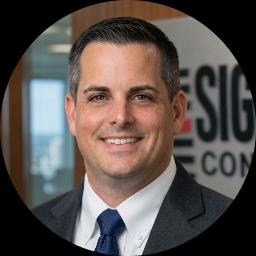
John Caruso is a Licensed Certified Social Worker in Maryland (LCSW-C) and also holds an LCSW in Pennsylvania, with 20 years of clinical experience. He works with people facing stress, anxiety, trauma and abuse, grief, depression, addiction, and major life changes such as divorce and end-of-life issues. Sessions are conducted in English and international clients are accepted.
Caruso draws on practical, evidence-based methods to help people manage symptoms and make decisions.
Background and approach
He uses Cognitive Behavioral Therapy and Solution-Focused Therapy to break problems into manageable steps. Work often focuses on coping skills, shifting unhelpful thoughts, and building short-term plans for change. He brings lived experience from a prior career as a firefighter in the Baltimore area.
That background informs his work with post-traumatic stress, first responder concerns, traumatic brain injury, and veteran and armed forces issues. He also addresses parenting, fatherhood issues, career concerns, and compassion fatigue. In sessions he focuses on clear goals and concrete strategies.
People can expect conversations about immediate practical steps alongside exploration of the events causing distress. Therapy also covers career and relationship concerns, self-esteem work, and mood disorder support. Cost varies by location and services use a subscription that can be canceled at any time.
To begin, clients complete a short matching questionnaire and schedule a first session through the online therapy options button.
Therapeutic approaches used in online sessions
John Caruso commonly integrates Cognitive Behavioral Therapy and Solution-Focused Therapy in his online work. CBT focuses on identifying and changing unhelpful thoughts and behaviors; it is often used for anxiety, depression, and stress. Solution-Focused Therapy concentrates on strengths and small changes that move a person toward concrete goals, which can help with coping, decision making, and short-term problems.Choosing an approach is collaborative. The therapist will discuss goals, preferences, and what seems most useful, then try methods that match those needs. Adjustments are made as progress or challenges emerge so the plan fits the person rather than the other way around.
Confirm the exact online session options before booking, since the biography does not list formats. Online work can make it easier to fit sessions into weekday routines, reduce travel time, and allow regular check-ins during times of change. Some people prefer shorter phone check-ins when bandwidth or camera use is difficult, while others choose video meetings for more face-to-face interaction. The focus is on practical ways to maintain progress while fitting therapy into everyday life.
Frequently asked questions
What concerns does he address most often?
What is his therapeutic style?
How much clinical experience does he have?
What are his credentials and location?
Can I work with him if I live outside the United States?
What session formats are available?
How does payment work?
How do I start a first session?
Specialties and expertise
Top specialties
Also works with
- Addictions
- Anger management
- Bipolar disorder
- Career difficulties
- Coaching
- Compassion fatigue
- Coping with life changes
- Depression
- Divorce and separation
- Emptiness
- Family conflicts
- Fatherhood issues
- First responder issues
- Hospice and end-of-life counseling
- Mood disorders
- Parenting issues
- Post-traumatic stress
- Relationship issues
- Self esteem
- Traumatic brain injury
- Veteran and Armed Forces Issues
Therapeutic approaches
- Experience
- 20 years
- Licensed
- Maryland, Pennsylvania
- Languages
- English