- Credentials
- BACP
- Registration
- BACP, United Kingdom / 413045
About Jennie
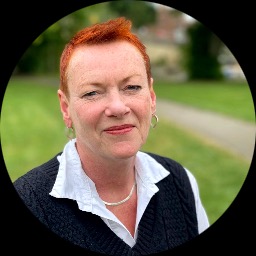
Jennie Walmsley is a BACP counsellor in the United Kingdom with three years of practice. She works with people facing stress, anxiety, depression, trauma and abuse, and those coping with life changes or seeking coaching support. Jennie describes herself as an integrative counsellor who adapts methods to each person rather than sticking to one approach.
She has worked extensively with survivors of sexual abuse and trauma. Her background also includes coaching and training, drawn from a long career in broadcasting, which she uses to help people clarify their professional roles and improve communication.
Background and approach
Sessions focus on helping people understand themselves and build confidence. Conversations are practical and aimed at making changes that feel manageable day to day. She also helps with attachment and communication problems, workplace issues and questions around life purpose and midlife change.
Jennie is registered with the British Association for Counselling and Psychotherapy, and she follows their ethical framework. Her combined counselling and coaching experience means she can offer both reflective therapy work and more skills-based coaching conversations when appropriate. She works in English and does not take international clients.
To begin, clients are asked to complete a short matching questionnaire and then schedule a first session through the site.
Therapeutic approaches and how they work online
Jennie works as an integrative counsellor, which means she draws on multiple evidence-based techniques and adjusts them to each person. Two common approaches used within an integrative framework are cognitive behavioural strategies and trauma-informed listening. Cognitive behavioural techniques focus on identifying unhelpful thoughts and testing them with practical experiments to reduce anxiety and low mood. Trauma-informed approaches emphasise careful pacing, grounding strategies and attention to safety when working with post-traumatic stress or sexual trauma.Choosing the right approach is a collaborative process. The therapist will talk with the client about symptoms, goals and preferences, then suggest ways of working to try. That plan can be reviewed and changed as therapy proceeds so work stays relevant to what the person needs.
Confirm the exact session formats before booking, as the biography does not list specific online formats. Online work can make it easier to fit sessions around work, family commitments or travel. It can also allow shorter check-ins when time is limited, or reduce the need to commute. Discussing practical arrangements during the first meeting helps ensure sessions fit into everyday life and the person’s routines.
Frequently asked questions
What concerns does she commonly work with?
How would she describe her therapeutic style?
What is her professional background and experience?
What credentials and base of practice are listed?
Which languages are supported in sessions?
Can people from other countries work with her?
How are sessions paid for and what does cost look like?
What steps are needed to get started?
Specialties and expertise
Top specialties
Also works with
- Attachment issues
- Coaching
- Communication problems
- Coping with life changes
- Coping with natural or human-caused disaster
- Domestic violence
- Emptiness
- Guilt and shame
- Isolation / loneliness
- Life purpose
- Midlife crisis
- Post-traumatic stress
- Self-harm
- Sexual assault and abuse
- Social anxiety and phobia
- Women's issues
- Workplace issues
- Young adult issues
- Experience
- 3 years
- Registration
- BACP
- Languages
- English