- Credentials
- LCMHC
- License
- LCMHC, Utah / 10382410-6004
- NPI
- 1003312109
About Alex
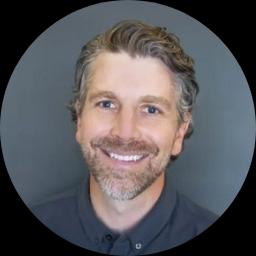
Alex Blankenstein is a Licensed Clinical Mental Health Counselor (LCMHC) in Utah with 10 years of experience. He combines talk therapy with practical self-regulation tools and values work to help people change patterns that cause distress. Alex explains that his own path out of shame and self-doubt shaped his approach.
He uses values clarification, self-regulation skills, and reframing of limiting beliefs to help people get unstuck. Sessions focus on identifying what matters to the client and finding small steps that align with those values.
Background and approach
He lists stress, anxiety, addictions, relationship concerns, trauma and abuse, and coping with life changes among his primary areas. Additional focuses include abandonment, attachment issues, codependency, communication problems, feelings of emptiness, fatherhood issues, and first responder concerns. Post-traumatic stress and problems with impulsivity or compulsive sexual behavior are also noted.
Alex notes an emphasis on growth mindset and trauma healing alongside sexual health that is self-led. He describes helping people rewrite limiting stories and stop behaviors that hold them back. The work often mixes skill practice, reflective conversation, and behavioral experiments between sessions.
Outside of clinical work he mentions roles as a husband and father and interests in endurance sports, backcountry adventure, carpentry and humor. Those personal details are used to explain his practical, goal-oriented style rather than as clinical qualifications.
How evidence-based approaches translate to online work
Alex uses evidence-based therapeutic techniques that focus on values work and self-regulation. Values clarification helps a person identify what matters most and then set small, achievable steps that reflect those priorities. This approach is useful for people feeling stuck, dealing with life transitions, or wanting clearer direction.He also works with trauma-focused strategies that include grounding and paced processing. These methods aim to reduce reactivity to distressing memories and build tolerance for hard feelings, which can help with post-traumatic stress and long-standing anxiety.
Finding the right approach is part of the work. The therapist and client review needs, goals, and preferences together and adjust techniques over time. The process is collaborative and may mix skills practice, reflective conversation, and brief behavioral experiments to test new ways of acting between sessions.
Session formats are not specified in the provided biography, so confirm current options before booking. Online therapy can make it easier to fit sessions into a busy life, shorten commute time, and provide flexibility for check-ins that require less time. Many people find that seeing a licensed professional remotely lets them maintain consistency with appointments while balancing family, work, and other responsibilities.
Frequently asked questions
What concerns does he commonly address?
What is his general therapy style?
How much clinical experience does he have?
What credentials and location are listed?
Which languages are supported for sessions?
Can people outside the U.S. work with him?
How does cost and billing work?
How do I begin a session with him?
Specialties and expertise
Top specialties
- Stress, Anxiety
- Addictions
- Relationship issues
Also works with
- Abandonment
- Attachment issues
- Codependency
- Communication problems
- Coping with life changes
- Emptiness
- Family problems
- Fatherhood issues
- First responder issues
- Forgiveness
- Impulsivity
- Infidelity
- Isolation / loneliness
- Life purpose
- Men's issues
- Post-traumatic stress
- Self-love
- Sex addiction
- Sexuality
- Trauma and abuse
- Experience
- 10 years
- Licensed
- Utah
- Languages
- English