Dr. William Philadelphia, LCMHC
LCMHC in North Carolina - Mood and trauma concerns
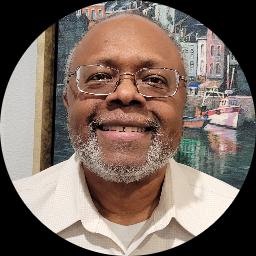
- Credentials
- LCMHC
- License
- LCMHC, North Carolina / 9913
- NPI
- 1770841702
About William
Dr. William Philadelphia is a North Carolina licensed clinician holding the LCMHC credential with 25 years of professional experience. He works with people who are dealing with stress, anxiety, trauma and abuse, bipolar disorder, depression, and life changes.
Sessions are conducted in English and intended for clients located in the United States. He frames therapy as a partnership where the client knows their own story. He listens for strengths a person already has and builds on those.
Background and approach
Conversations focus on practical ways to manage symptoms and respond to difficult situations. Dr. Philadelphia has helped people who face panic attacks, mood disorders, post-traumatic stress, seasonal affective disorder, paranoia, personality challenges, codependency, and issues tied to life purpose.
He also has experience with concerns that affect veterans and armed forces personnel. The work often includes tracking patterns, trying new responses, and checking what changes actually help day to day. Sessions aim to address immediate coping needs and longer term patterns.
He encourages clear goals and checks progress as therapy continues. People can expect direct discussion of what is and is not working, and adjustments to next steps based on those conversations. To begin, prospective clients follow the site process to select online therapy options, complete a short matching questionnaire, and schedule a first session.
Cost varies with location and uses a subscription model that can be canceled at any time.
Therapeutic approaches and online sessions with Dr. Philadelphia
Dr. Philadelphia uses evidence-based therapeutic techniques focused on changing unhelpful patterns and improving coping skills. One common approach he uses involves practical skills training to manage anxiety and panic; this includes breathing and behavioral exercises, planning short experiments, and checking what reduces symptoms in everyday situations. Another frequent element is trauma-informed care that helps people process difficult events at a pace that feels manageable while building strategies to reduce intrusive reminders and reactivity.Choosing the right method is part of the work. He will discuss different approaches with each person and decide together which fits goals, preferences, and current needs. That collaborative process guides whether to emphasize skills practice, trauma processing, or mood-stabilizing routines over time.
Online sessions make it easier to fit therapy into a regular schedule and to speak from wherever you are located in the United States. The biography indicates online therapy is offered; confirm which specific session options are available before booking. Online work can reduce travel, allow shorter check-ins when needed, and let people maintain continuity of care despite life changes.
Frequently asked questions
What kinds of problems does he focus on most?
What is his general therapeutic style?
How much clinical experience does he have?
What are his credentials and where is he based?
Which languages are supported and can international clients join?
What session formats does he offer?
How are fees handled?
What steps do I take to start working with him?
Specialties and expertise
Top specialties
- Stress, Anxiety
- Trauma and abuse
- Bipolar disorder
Also works with
- Codependency
- Coping with life changes
- Depression
- Life purpose
- Mood disorders
- Panic disorder and panic attacks
- Paranoia
- Personality disorders
- Post-traumatic stress
- Seasonal Affective Disorder (SAD)
- Self-harm
- Veteran and Armed Forces Issues
- Experience
- 25 years
- Licensed
- North Carolina
- Languages
- English