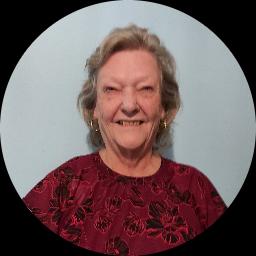
- Credentials
- LCPC
- License
- LCPC, Illinois / 180.006754
- NPI
- 1275805624
About Susan
Susan Hoffstetter is an Illinois Licensed Clinical Professional Counselor (LCPC) with 16 years of professional experience. She works with people facing stress, anxiety, addictions, trauma and abuse, bipolar disorder, depression, relationship concerns, grief, anger, and self-esteem problems. Sessions are offered in English and follow an approach that treats the client as the expert on their own story.
She invites people who are ready to take a first step into therapy and recognizes that beginning can feel difficult.
Background and approach
In sessions she listens for strengths and practical options a person can try between meetings. Her focus includes helping people manage obsessive or compulsive behaviors, cope after sexual assault or abuse, and respond to trichotillomania and disaster-related stress. Susan draws on evidence-based therapeutic techniques that match the concern at hand.
She works with clients on concrete skills for managing strong feelings, reducing unwanted behaviors, and improving day-to-day functioning. The goal in early work is to create small, testable changes that show what helps. Over her career she has seen a range of concerns that often overlap, such as mood problems combined with grief or substance use.
Her practice emphasizes steady skill-building and problem-solving over time. People who prefer clear, practical steps and a focus on actions between sessions may find this style a fit. Susan asks new clients to use the site questionnaire to match and then schedule a first session.
Cost varies by location and sessions use a subscription that can be canceled at any time.
How her evidence-based approaches translate to online work
Many evidence-based techniques involve concrete skills and behavioral experiments that transfer well to online settings. For example, cognitive-behavioral methods focus on identifying unhelpful thoughts and testing new behaviors to reduce anxiety and depressive symptoms. These approaches teach clear steps someone can practice between sessions to track what changes help.Another commonly used strategy addresses trauma-related symptoms by teaching grounding and emotion-regulation skills. These are short, repeatable exercises that help reduce intense reactions and improve day-to-day coping after difficult experiences or loss.
Finding the right technique is part of the work. The therapist will collaborate with each person to decide which methods fit their goals and preferences. That choice is reviewed and adjusted as progress is tracked, so treatment can shift if a different approach seems more useful.
Confirm current session options before booking so you know how meetings are scheduled. Online sessions can make it easier to fit therapy into a workday or to avoid travel time. They also allow for shorter check-ins when that is more practical, and for using exercises during regular life routines so skills are learned in context.
Frequently asked questions
What kinds of problems does she work with most?
What is her general approach in sessions?
How much clinical experience does she have?
What credential does she hold and where is she based?
Which languages are supported for sessions?
Can international clients work with her?
How are sessions paid for and what does it cost?
How do I begin a first session with her?
Specialties and expertise
Top specialties
Also works with
- Anger management
- Bipolar disorder
- Coping with natural or human-caused disaster
- Depression
- Family conflicts
- Grief
- Obsessions, compulsions, and OCD
- Relationship issues
- Self esteem
- Sexual assault and abuse
- Trichotillomania
- Experience
- 16 years
- Licensed
- Illinois
- Languages
- English