- Credentials
- LCMHC
- License
- LCMHC, New Hampshire / 1094
- NPI
- 1164513602
About Rachel
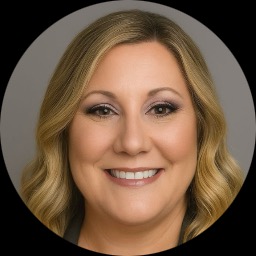
Rachel LaVergne is a Licensed Clinical Mental Health Counselor (LCMHC) in New Hampshire with 18 years of practice. She works with people facing stress, anxiety, trauma and abuse, and self-esteem concerns. Her profile also notes focused work on guilt and shame, social isolation, and social anxiety and phobia.
She uses straightforward talk therapy to help people name what’s happening and make small, practical changes. Sessions often include skills practice drawn from cognitive behavioral techniques and elements of mindfulness and dialectical behavior work.
Background and approach
Motivational interviewing can be used to clarify goals and strengthen commitment to change. Rachel describes her style as collaborative and nonjudgmental; she listens and helps people choose strategies that fit their lives. She emphasizes developing coping skills for day-to-day stress and addressing patterns that keep anxiety or shame active.
Over her career she has worked with a range of problems tied to trauma and long-term stress. In sessions she may focus on grounding and emotion regulation first, then move into cognitive work and behavior changes when the client is ready. The emphasis is on practical tools clients can use between sessions.
Sessions are offered in English and are centered on the person’s goals. People considering working together complete a short matching questionnaire and schedule an initial appointment to review concerns and plan next steps.
How her approaches translate to online therapy
Client-Centered Therapy focuses on listening and responding to what matters most to the client. It helps people name concerns and set goals while the therapist follows the client’s lead. Cognitive Behavioral Therapy (CBT) breaks problems into thoughts, feelings and actions and teaches concrete skills to change unhelpful patterns. It is often used for anxiety, stress and low self-esteem. Dialectical Behavior Therapy (DBT) teaches emotion regulation and distress tolerance skills that can reduce overwhelm and improve day-to-day coping.Finding the right mix of these approaches is part of the early work. The therapist and client review goals, try methods, and adjust the plan together. That collaborative process helps select what fits the person’s needs and preferences over time.
Confirm the current online session options before booking. Online work can make it easier to fit sessions into a busy life, shorten travel time, and allow for flexible scheduling around work or caregiving. It can also make it simpler to practice mindfulness or grounding during short check-ins. If you want to start, use the matching questionnaire to outline goals and schedule an initial appointment to discuss how the approaches will be used online.
Frequently asked questions
What concerns does she work with most?
What therapeutic approach does she use?
How much clinical experience does she have?
What credential and location apply?
Which languages are supported?
Can people outside the US work with her?
How are sessions paid for?
How do I begin working together?
Specialties and expertise
Top specialties
Therapeutic approaches
- Experience
- 18 years
- Licensed
- New Hampshire
- Languages
- English