Rachel Babiskin, LCSW-C
Licensed Clinical Social Worker-Certified - mood and attention support
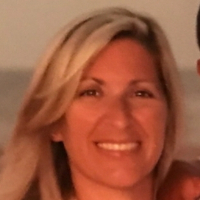
- Credentials
- LCSW-C
- License
- LCSW-C, Maryland / 12569
- NPI
- 1851693998
About Rachel
Rachel Babiskin is a Licensed Clinical Social Worker-Certified (LCSW-C) based in Maryland with 25 years of experience. She uses a client-centered, motivational approach and emphasizes working collaboratively with people to address stress, anxiety, depression, parenting concerns, relationship issues, trauma and abuse, ADHD and executive functioning, grief, addictions, eating concerns, anger, bipolar, self-esteem, and coping with life changes.
Her work draws on strength-based and trauma-informed principles. Sessions focus on identifying practical skills and strategies that help people manage symptoms and navigate day-to-day challenges.
Background and approach
She aims to build a trusting working relationship where people feel heard and respected. Rachel has a Bachelor’s degree in Family Studies and a Master’s degree in Social Work, both from the University of Maryland. Her settings have included schools, hospitals, and independent practice.
Over her career she has worked with young adults who have mental illness or co-occurring disorders. In sessions she balances guidance with gentle challenge when appropriate. Conversations often cover coping strategies, problem-solving, and ways to improve organization and executive functioning.
She also addresses relationship dynamics and parenting concerns through practical steps people can try between meetings. People looking for help with mood, attention, relationship strain, or life transitions will find an approach focused on skills and collaboration. For online therapy options, confirm the current session formats before scheduling.
Therapeutic approaches and how they work online
Rachel uses client-centered and motivational approaches that focus on collaboration and practical change. Client-centered work means conversations are guided by the person’s priorities, with the therapist listening and reflecting to help clarify goals and next steps. Motivational techniques help people resolve mixed feelings about change and move toward concrete actions.She also applies strength-based and trauma-informed principles. Strength-based work highlights existing skills and resources people can build on. Trauma-informed care means attention to how past stressful experiences affect current thoughts, feelings, and behaviors, with an emphasis on gradual skill-building and pacing.
Finding the right approach is part of the work. The therapist and client will discuss needs, goals, and preferences in early sessions and adjust methods as they go. This collaborative process helps identify whether to focus on skill training, organization and executive functioning, relationship patterns, or emotional regulation strategies.
Confirm the exact online session formats before booking, as the biography lists online therapy but does not specify formats. Online sessions can make it easier to fit appointments into a busy week, allow shorter check-ins when needed, and remove travel time. They also let people continue work from different locations while maintaining regular contact with a licensed professional.
Frequently asked questions
What concerns does she work with most?
What is her therapeutic style?
How much experience does she have?
What are her credentials and where is she located?
Which languages are supported?
Does she work with international clients?
How are costs handled?
How do I begin the process?
Specialties and expertise
Top specialties
- Stress, Anxiety
- Family conflicts
- Parenting issues
Also works with
- Addictions
- ADHD
- Anger management
- Bipolar disorder
- Coaching
- Coping with life changes
- Depression
- Eating disorders
- Grief
- Relationship issues
- Self esteem
- Trauma and abuse
- Experience
- 25 years
- Licensed
- Maryland
- Languages
- English