- Credentials
- LCSW
- License
- LCSW, Florida / SW5178; LCSW, North Carolina / C002290
- NPI
- 1427356328
About Mark
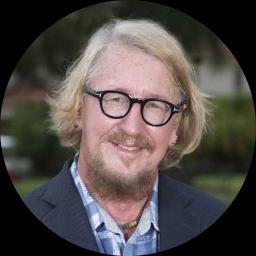
Mark Smith is a Licensed Clinical Social Worker (LCSW) licensed in Florida and North Carolina with 34 years of clinical experience. He works with stress, anxiety, depression, LGBT identity concerns, family conflict, and people coping with life changes. Sessions are offered in English and Mark accepts international clients.
He practices in a client-centered way. That means conversations focus on the person in front of him and on what matters most to that person.
Background and approach
He listens for what feels difficult and helps people put words to their experience so they can decide what to try next. Mark often helps people facing big transitions. Examples include career or relationship change, midlife questions, grief and end-of-life concerns, and shifts in sexual identity or relationship structure.
He also addresses attachment questions, guilt and shame, forgiveness, and rebuilding self-regard after trauma. In sessions he prioritizes straightforward talk about practical coping strategies and emotional understanding. He will talk through stress management, ways to handle anxiety, and steps to reduce conflict in relationships.
Conversations may include looking at patterns that repeat and experimenting with small changes between sessions. People seeking support for men’s issues, life purpose concerns, polyamory or non-monogamous relationship questions, and post-traumatic stress will find these topics within his stated focus areas. He encourages an honest, nonjudgmental dialogue about sexuality and self-love as part of broader therapeutic work.
How client-centered methods are used in online sessions
Client-Centered Therapy focuses on the person's own perspective. The therapist listens closely and helps clients name feelings and priorities. This approach is commonly used for anxiety, depression, identity questions, and relationship concerns because it centers what the client wants to address.In practice this means sessions often begin with open conversation about the issue that feels most urgent. The therapist will reflect what he hears, ask clarifying questions, and work with the client to set short-term goals. For people dealing with grief, midlife questions, or sexual identity concerns, this approach supports steady progress through careful, client-driven steps.
Finding the right therapeutic approach is part of the work. The therapist will collaborate with each person to decide whether the client-centered style fits their needs and preferences. If other methods would help, he will discuss those options and adjust the plan together.
Online sessions can make it easier to fit therapy into a busy week and reduce travel time. They can also allow shorter check-ins when needed or use audio-only when video is not practical. Confirm the exact session options available before booking so you know which formats are offered and how they might fit your schedule.
Frequently asked questions
What concerns does he focus on most?
How does he typically work with people?
How much experience does he have?
What are his credentials and where is he based?
Which languages are supported for sessions?
What session formats are offered?
How does pricing work?
What do I do to start a first session?
Specialties and expertise
Top specialties
- Stress, Anxiety
- LGBT
- Family conflicts
Also works with
- Attachment issues
- Coping with life changes
- Depression
- Forgiveness
- Guilt and shame
- Hospice and end-of-life counseling
- Life purpose
- Men's issues
- Midlife crisis
- Polyamory / non-monogamous relationships
- Post-traumatic stress
- Self-love
- Sexuality
Therapeutic approaches
- Experience
- 34 years
- Licensed
- Florida, North Carolina
- Languages
- English