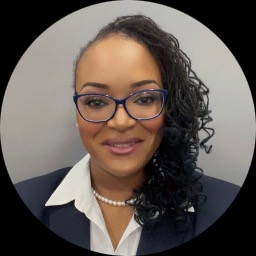
Lameka Childress, LICSW
Licensed clinical social worker - stress and grief
- Credentials
- LICSW
- License
- LICSW, Alabama / 4729C
- NPI
- 1396351169
About Lameka
Lameka Childress is an Alabama licensed clinical social worker (LICSW) with four years of experience supporting people through depression, anxiety, stress, grief, and self-esteem concerns. She works with individuals who are navigating strong emotions and life changes. Sessions are offered in English and she does not accept international clients at this time.
She focuses on practical steps to help people cope with loss, trauma, and feelings of guilt or shame.
Background and approach
Lameka supports clients who are dealing with anger, isolation, or questions about life purpose. She also works with veterans and people managing caregiver stress. In sessions she listens for what's most urgent and then helps clients try concrete strategies to reduce symptoms and improve daily functioning.
Conversations cover how thoughts, behaviors, and relationships affect mood. She also helps people practice self-directed actions that can change how they feel between appointments. Her work includes processing grief, examining obstacles to forgiveness, and rebuilding a healthier sense of self.
For clients with post-traumatic stress she focuses on gradual steps to reduce reactivity and increase coping skills. For caregivers she identifies ways to balance role demands with personal needs. People who choose her often want straightforward, practical support and a therapist who keeps discussions focused on specific problems.
To start, clients use the online matching process and schedule an initial session to set goals and plan next steps.
Therapeutic approaches and how they translate online
Many of her clinical goals are reached using evidence-based therapeutic techniques that focus on changing unhelpful patterns and building coping skills. One common approach is skill-based work that teaches concrete strategies for managing anxiety and depression, such as breathing, behavioral activations, and small exposure practices to reduce avoidance. These techniques target daily symptoms and help people regain routines.Another frequent element is trauma-focused coping that breaks large problems into smaller tasks. This involves gradual processing of distressing experiences, learning grounding methods, and practicing responses to reduce intense reactions over time. That work aims to increase tolerance for difficult memories and reduce their impact on daily life.
Choosing the right approach is collaborative. The therapist discusses options with each person, considers current needs and goals, and adjusts methods as progress is tracked. Clients help decide which techniques feel most useful and practicable in everyday life.
If you prefer online work, confirm the session formats before booking since the biography does not list specific options. Online sessions can make it easier to fit therapy into a busy schedule, allow shorter check-ins when needed, and remove travel time. Licensed professionals often use video or phone formats depending on what fits a client's routine and technical setup; confirm which are available during the matching process.
Frequently asked questions
What concerns does she work with most?
How would you describe her therapeutic style?
How much clinical experience does she have?
What are her official credentials and location?
Can I work with her from another country?
What session formats does she offer?
How are costs handled for sessions?
How do I begin working with her?
Specialties and expertise
Top specialties
- Stress, Anxiety
- Grief
- Anger management
Also works with
- Experience
- 4 years
- Licensed
- Alabama
- Languages
- English