Dr. Jillian Graves, LMSW
Dr. Jillian Graves - LMSW, mood and family concerns
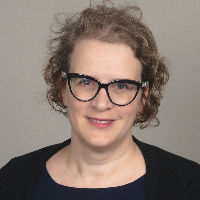
- Credentials
- LMSW
- License
- LMSW, Michigan / 6801100672
- NPI
- 1992085740
About Jillian
Dr. Jillian Graves is a licensed clinical social worker (LMSW) in Michigan with 21 years of experience. She works with adults, adolescents, and people connected to family members with serious mental illness.
Her main concerns include stress, anxiety, trauma and abuse, anger, addictions, grief, parenting, self-esteem, career questions, bipolar disorder, and depression. She uses a collaborative approach that centers on building trust and clear communication. Sessions focus on setting practical goals, talking through patterns that cause distress, and improving how clients communicate with others.
Background and approach
She names relationship dynamics and personal history as common places to start. Her background includes an MSW from Smith College and a Ph.D. in social work from Bryn Mawr. Her dissertation examined siblings aged 18 to 29 of people with schizophrenia, and that work informs how she thinks about family roles and emerging adult development.
Therapy methods come from several evidence-based directions. She mentions psychodynamic ideas including attachment theory, Rational Emotive Behavioral Therapy, solution-focused treatment, and narrative approaches. In practice this means combining attention to past relationships with strategies for changing current thoughts and behaviors.
Sessions may use individual or group formats based on clinical needs and what the client prefers. Dr. Graves emphasizes collaboration about goals and strategies.
Prospective clients are encouraged to ask questions about structure and what a typical session would look like before booking. Dr. Graves offers services in English and accepts international clients.
She describes therapy as a step-by-step process and invites people to reach out with questions prior to beginning work.
Therapeutic approaches used in online work
Dr. Graves combines a few different evidence-based techniques and adapts them to remote sessions. Psychodynamic approaches, including attachment theory, focus on how past relationships shape current reactions and patterns. This can help when family history or long-standing relationship issues are part of the problem.Rational Emotive Behavioral Therapy (REBT) focuses on identifying and changing unhelpful beliefs that drive emotion and behavior. It is practical and often used for anxiety, anger, and mood regulation. Solution-focused techniques and narrative approaches concentrate on clear goals and the stories people tell about themselves, which can make progress feel more concrete.
Choosing the right approach is a collaborative process. The therapist will work with the client to identify what fits best for their goals and preferences and may combine methods as needs change. Clients are invited to discuss what they want to focus on and how they prefer to work.
Online therapy can make it easier to fit sessions into a busy life and reduce travel time. It can also allow for shorter check-ins when schedules require them or sessions that do not rely on video when bandwidth is limited. Confirm the specific session formats offered before booking to know whether video, phone, or other options are available.
Frequently asked questions
What concerns does she focus on most?
How does she approach therapy?
How much clinical experience does she have?
What are her credentials and where is she located?
Which languages are supported?
What session formats are available?
How are sessions paid for?
How do I start working with her?
Specialties and expertise
Top specialties
- Stress, Anxiety
- Family conflicts
- Trauma and abuse
Also works with
- Addictions
- Anger management
- Bipolar disorder
- Career difficulties
- Depression
- Grief
- Parenting issues
- Self esteem
- Experience
- 21 years
- Licensed
- Michigan
- Languages
- English