Christine Wagner, LMHC
Licensed Mental Health Counselor - Stress and Trauma
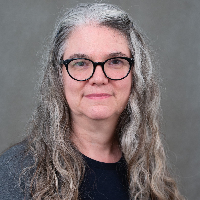
- Credentials
- LMHC
- License
- LMHC, New York / 004701
- NPI
- 1801482559
About Christine
Christine Wagner is a Licensed Mental Health Counselor (LMHC) in New York with 20 years of experience. She has worked in hospital settings and in outpatient behavioral health, and she has provided telehealth counseling since March 2020. She offers help for stress, anxiety, depression, trauma and abuse, relationship issues, grief, parenting strains, LGBT concerns, and coping with life changes.
Christine draws on several practical approaches in her work. She often uses Acceptance and Commitment Therapy (ACT) to help people notice thoughts and choose actions that match their values.
Background and approach
She uses Dialectical Behavior Therapy (DBT) skills for emotional regulation and distress tolerance. She also integrates Eye Movement Desensitization and Reprocessing (EMDR) for processing traumatic memories. Mindfulness practice is part of her approach.
She is a qualified Mindfulness Based Stress Reduction instructor and brings simple exercises into sessions when helpful. She aims to offer concrete ideas people can try between sessions, such as breathing practices or short behavioral experiments. Christine has experience teaching as an adjunct professor and has worked across medical and outpatient settings.
That background informs a pragmatic style that emphasizes clear steps and skills. She works with adults on issues including chronic pain, gender dysphoria, post-traumatic stress, sexuality, traumatic brain injury, women’s issues, and young adult concerns. Sessions are offered in English and she does not accept international clients.
Christine’s practice uses a subscription model for sessions, which can be canceled at any time. To begin, a short questionnaire is completed and a first session is scheduled.
How therapeutic approaches are used in online sessions
Christine commonly uses Acceptance and Commitment Therapy (ACT) to help people notice unhelpful thoughts, clarify personal values, and choose actions that fit those values. ACT often focuses on small, practical steps that can be practiced between sessions.She also draws on Dialectical Behavior Therapy (DBT) skills for emotional regulation and distress tolerance. DBT skills offer concrete tools such as breathing, grounding, and behavioral strategies for managing intense emotions and interpersonal stress.
EMDR is another approach she uses to work with traumatic memories by combining focused processing with guided attention. When EMDR is used, the goal is to reduce the impact of distressing memories and improve daily functioning.
Choosing the right approach is part of the work. The therapist will review needs, goals, and preferences and then suggest which methods to try. This is a collaborative process and adjustments can be made as therapy proceeds.
Confirm current session options before booking, as formats are not specified in the biography. Online sessions can make it easier to fit therapy into a busy life, reduce travel time, and allow shorter check-ins when needed. If you prefer particular practical arrangements, note them on the initial questionnaire so scheduling can reflect your needs.
Frequently asked questions
What concerns does she most often address?
What is her therapeutic style?
How much experience does she have?
What are her credentials and where is she based?
Which languages are supported?
Does she see international clients?
How are sessions paid for?
How do I get started with her?
Specialties and expertise
Top specialties
- Stress, Anxiety
- LGBT
- Family conflicts
Also works with
- Chronic pain, illness, and disability
- Compassion fatigue
- Coping with life changes
- Depression
- Gender dysphoria
- Grief
- Parenting issues
- Post-traumatic stress
- Relationship issues
- Sexuality
- Trauma and abuse
- Traumatic brain injury
- Women's issues
- Young adult issues
Therapeutic approaches
- Experience
- 20 years
- Licensed
- New York
- Languages
- English