- Credentials
- LCSW
- License
- LCSW, New York / 094157
- NPI
- 1417590183
About Cassandra
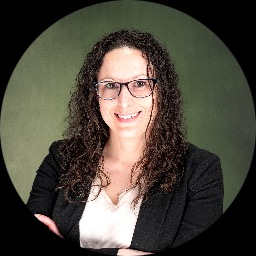
Cassandra Marie Wells is a Licensed Clinical Social Worker (LCSW) licensed in New York with seven years of professional experience. She focuses on stress, anxiety, trauma and abuse, self-esteem, depression, and coping with life changes. Sessions are conducted in English and intended for people located in New York.
She helps people who are managing chronic pain, illness, and disability by addressing how physical health affects mood and daily routines. She also works with issues of guilt, shame, post-traumatic stress, and questions about life purpose and self-love.
Background and approach
Her practice emphasizes practical steps people can use between sessions. Cassandra aims to create a space where clients can talk about difficult feelings and painful memories. She uses standard, evidence-based therapeutic techniques to help people process trauma and reduce anxiety.
Conversations include concrete strategies for managing stress and improving day-to-day functioning. In sessions she reviews what is causing distress and what patterns keep it going. She helps people set small, actionable goals and practices they can try between appointments.
Progress is tracked in simple ways so clients can see what changes help. People choosing to work with her will be asked to complete a short questionnaire to match with her and then schedule a first session. The practice uses a subscription model for sessions that can be canceled at any time.
Please confirm current session options and formats before booking.
How evidence-based techniques are used online
Many of the evidence-based approaches Cassandra uses focus on skills and practices that translate to remote work. Cognitive-behavioral approaches look at how thoughts, feelings, and behaviors interact and teach concrete techniques for managing anxiety and low mood. These techniques include identifying unhelpful thoughts and trying small behavioral changes to test new ways of coping.Trauma-focused methods help people process upsetting memories in a paced way and develop grounding and coping strategies for post-traumatic stress. These approaches emphasize stabilizing symptoms first and then, when ready, working through traumatic material with clear supports in place.
Choosing the best approach is part of the collaborative process. The therapist will review a client's needs, goals, and preferences and recommend techniques to try. Plans are adjusted over time based on what works for the client.
Confirm current session formats before booking so you know how sessions will take place. Online work can make it easier to fit sessions into a busy schedule, allow shorter check-ins when needed, and let people avoid travel time. Licensed professionals can also suggest exercises and short practices to use between sessions to reinforce progress.
Frequently asked questions
What concerns does she address most often?
What is her therapeutic approach or style?
How much clinical experience does she have?
What credential does she hold and where is she based?
Which languages are supported?
Can people outside the United States work with her?
How does payment work for sessions?
What are the first steps to begin working together?
Specialties and expertise
Top specialties
Also works with
- Chronic pain, illness, and disability
- Coping with life changes
- Depression
- Guilt and shame
- Life purpose
- Post-traumatic stress
- Self-love
- Experience
- 7 years
- Licensed
- New York
- Languages
- English