Alesha Perkins, LCSW
Licensed Clinical Social Worker - Stress and Relationships
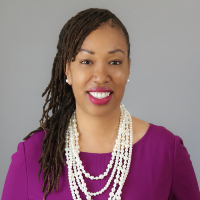
- Credentials
- LCSW
- License
- LCSW, Virginia / 0904009097; LCSW, North Carolina / C008548
- NPI
- 1801291851
About Alesha
Alesha Perkins is a Licensed Clinical Social Worker (LCSW) licensed in North Carolina and Virginia with 15 years of clinical experience. She works with people dealing with stress, anxiety, depression, relationship troubles, parenting strain, addiction concerns, grief, anger, and career changes. Sessions are offered in English and she practices from North Carolina.
Perkins uses straightforward conversation and problem-solving in sessions. She blends client-centered methods with cognitive behavioral ideas and motivational interviewing techniques.
Background and approach
That means she listens to each person’s goals, helps identify unhelpful thinking and habits, and supports small steps toward change. She has experience across care settings and with a broad age range, and has spent substantial time providing individual and family therapy.
In practice she focuses on concrete problems such as coping with life transitions, managing mood symptoms, addressing substance use concerns, and improving communication in close relationships. Clients can expect practical tools alongside time to talk through their concerns. Perkins aims to clarify goals, try strategies that can be practiced between sessions, and review what is or isn’t working.
She favors an honest, down-to-earth style in sessions. If someone wants to explore working together, the next step is to follow the site’s matching steps and schedule an initial appointment. Confirm current session options before booking to ensure they match the client’s needs and schedule.
How her approaches are used in online sessions
Client-centered therapy focuses on listening and understanding a person’s goals and priorities. In online work that often means the therapist reflects back concerns, clarifies goals, and supports the client in choosing what to work on next. Cognitive Behavioral Therapy (CBT) helps identify patterns of thought and behavior that contribute to distress and replaces them with more helpful alternatives. Online CBT sessions typically include setting small practice tasks, reviewing what happened between sessions, and doing brief skill-building exercises together. Motivational Interviewing is a conversational method that helps people resolve uncertainty about change. In virtual sessions this can look like exploring pros and cons, drawing out personal reasons to change, and setting achievable next steps. Choosing the best mix of approaches is part of starting therapy. The therapist will discuss goals, preferences, and what has or hasn’t worked before, and then recommend approaches to try. This is a collaborative process and plans can be adjusted as work progresses. Confirm the exact online session options before booking, as formats are not detailed in the original profile. Many people find online sessions easier to fit around work, family, and other commitments, or useful for shorter check-ins when schedules are tight. Online work also makes it easier to practice skills in day-to-day settings and to follow up on progress between meetings.Frequently asked questions
What concerns does she work with most?
What is her therapeutic approach or style?
How much clinical experience does she have?
What credentials and location are listed?
Which languages are supported and are international clients accepted?
What session formats are available?
How is cost handled?
How do I start a first session?
Specialties and expertise
Top specialties
- Stress, Anxiety
- Relationship issues
- Family conflicts
Also works with
- Addictions
- Anger management
- Bipolar disorder
- Career difficulties
- Coping with life changes
- Depression
- Grief
- Parenting issues
- Self esteem
Therapeutic approaches
- Experience
- 15 years
- Licensed
- Virginia, North Carolina
- Languages
- English