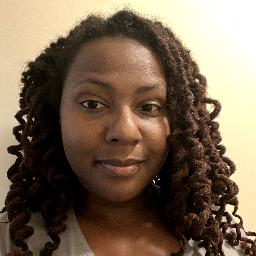
- Credentials
- LCPC
- License
- LCPC, Maryland / LC14814
- NPI
- 1003556002
About Tenesha
Tenesha Jeffery is a Licensed Clinical Professional Counselor (LCPC) in Maryland with five years of professional experience. She focuses on stress, anxiety, relationship concerns, trauma and abuse, self-esteem, and depression. Sessions are offered in English and she does not accept international clients.
Jeffery helps people talk through stress and anxiety using straightforward conversation and goal-focused steps. She works on relationship concerns and communication problems by identifying patterns and practicing new ways of relating.
Background and approach
For trauma and post-traumatic stress she focuses on coping skills and pacing conversations so clients feel able to process difficult material. Her practice also addresses substance concerns, including drug and alcohol addiction, and mood disorders. Motivational Interviewing is part of her approach when someone wants to increase readiness for change.
Cognitive Behavioral Therapy is used to identify unhelpful thoughts and test new behaviors. Clients can expect sessions that center their own goals and preferences. Jeffery uses Client-Centered Therapy principles to keep sessions focused on what matters to the individual.
She aims to be direct and practical while listening for strengths and barriers. To start, a person completes an online matching questionnaire and schedules a first session. The service uses a subscription model that can be canceled at any time, and cost varies with location.
How her approaches translate to online work
Client-Centered Therapy focuses on the client’s own goals and feelings. In practice this means sessions are led by what the person brings, and the therapist reflects and asks questions to clarify what matters. This approach supports issues like low self-esteem and relationship concerns by centering the person’s priorities.Cognitive Behavioral Therapy, or CBT, looks at the link between thoughts, feelings, and actions. It uses short exercises and simple experiments to test unhelpful thoughts and try new behaviors. CBT is commonly used for anxiety, depression, and mood disorders.
Dialectical Behavior Therapy, or DBT, teaches concrete skills for managing intense emotions and improving communication. It emphasizes distress tolerance and emotion regulation, which can help with mood instability and post-traumatic stress symptoms.
Finding the right approach is part of the work. The therapist will collaborate with the client to choose methods based on needs, goals, and personal preferences. That may mean combining elements of client-centered work, CBT, DBT, or Motivational Interviewing over time.
Confirm the available session formats before booking, as specific options are set by the therapist. Online sessions can help fit therapy into a busy schedule by reducing travel and allowing sessions during breaks or from different locations. Some formats may be easier when bandwidth or camera use is limited, or when a shorter check-in is needed, so check which options are offered prior to scheduling.
Frequently asked questions
What concerns does she address most often?
What is her therapeutic style?
How much experience does she have?
What credential does she hold and where is she based?
Which languages are supported?
Can she work with international clients?
How are sessions billed?
How do I begin working with her?
Specialties and expertise
Top specialties
- Stress, Anxiety
- Relationship issues
- Trauma and abuse
Also works with
- Communication problems
- Depression
- Drug and alcohol addiction
- Mood disorders
- Post-traumatic stress
- Self esteem
Therapeutic approaches
- Experience
- 5 years
- Licensed
- Maryland
- Languages
- English