- Credentials
- LCMHC
- License
- LCMHC, North Carolina / 9081
- NPI
- 1871831172
About Sarah
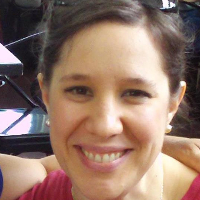
Sarah Stevens is a Licensed Clinical Mental Health Counselor (LCMHC) in North Carolina with 15 years of clinical experience. She works mainly with individual adults and occasionally with couples. Her work focuses on stress, anxiety, depression, grief, trauma and abuse, relationship conflict, parenting concerns, self-esteem, career issues, and coping with life changes.
She began considering counseling after her own experience in therapy in the 1990s. That experience led her to train and practice as a therapist starting in 2012.
Background and approach
Since then she has seen many adults for individual work and has offered couples sessions at times. Her practice draws on several evidence-based techniques. She uses client-focused therapy alongside cognitive behavioral methods and elements from dialectical behavioral approaches.
She also uses solution-focused brief strategies, grief therapy, and couples work when appropriate. Sessions are adjusted to what each person needs. She listens without judgment and helps people say what they have not been able to say to others.
Work in sessions can include talking through difficult feelings, practicing new ways to handle stress, and trying specific strategies to reduce symptoms of anxiety or depression. Sarah emphasizes collaboration. She helps clients identify immediate goals and practical steps to reach them.
For people facing loss, life change, or relationship strain, she offers focused support aimed at improved coping and clearer choices.
How Sarah uses evidence-based approaches in online work
Client-focused therapy emphasizes listening and reflecting the client’s thoughts and feelings back to them. It helps people organize difficult emotions and speak about concerns they have not been able to share elsewhere. This approach is often used alongside more structured techniques.Cognitive behavioral methods look at the links between thoughts, feelings, and behavior. They involve identifying unhelpful thought patterns and trying small behavioral experiments to test new ways of responding. These methods are commonly applied for anxiety, depression, and stress-related problems.
Dialectical behavioral elements focus on skills such as emotion regulation and distress tolerance. These skills can help when strong reactions make daily tasks harder or when relationships feel volatile.
Deciding which approach to use is part of the work. The therapist will collaborate with the client to pick methods that match their goals, needs, and preferences. That choice may shift as the work continues.
Confirm the exact session formats offered before booking. The practical strengths of online therapy include fitting sessions into a busy week, reducing travel time, and allowing shorter check-ins when schedules require them. Many people find online sessions make it easier to maintain regular appointments and apply new skills between meetings.
Frequently asked questions
What concerns does she address most often?
What is her general therapy style?
How long has she been practicing?
What credential does she hold and where is she based?
Which languages are sessions offered in?
Can international clients work with her?
How are sessions paid for?
How do I begin working with her?
Specialties and expertise
Top specialties
- Stress, Anxiety
- Relationship issues
- Family conflicts
Also works with
- Career difficulties
- Coping with life changes
- Depression
- Grief
- Parenting issues
- Self esteem
- Trauma and abuse
- Experience
- 15 years
- Licensed
- North Carolina
- Languages
- English