- Credentials
- LCPC
- License
- LCPC, Maine / CC4438
- NPI
- 1144471418
About Pamela
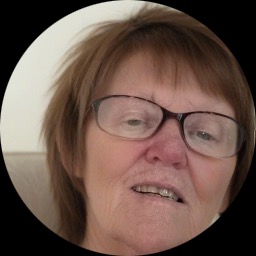
Pamela Edge is an LCPC - Licensed Clinical Professional Counselor in Maine with 24 years of clinical experience. She works with people facing stress, anxiety, addictions, trauma and abuse, grief, and depression. Pamela offers online options as part of her practice; confirm current session choices before booking.
She focuses on practical coping skills and clear, manageable steps. Sessions often include learning ways to reduce overwhelming feelings, managing cravings or compulsive behaviors, and processing grief and traumatic experiences at a pace that fits the client.
Background and approach
Her work draws on evidence-based therapeutic techniques. Those approaches are used to help people understand how their thoughts, feelings, and behaviors interact, and to build concrete tools for change. Pamela emphasizes collaboration and straightforward goal-setting during sessions.
Clients can expect structured conversations that identify problems and test small changes between sessions. She guides people through strategies for emotion regulation, relapse prevention, and exposure to difficult memories or situations when appropriate. Progress is tracked with clear, simple goals.
Pamela combines long-term clinical experience with a focus on everyday functioning. She helps clients translate therapeutic work into routines and habits that reduce distress and improve daily life. Before scheduling, readers should confirm which online session formats are currently offered.
How Pamela uses evidence-based methods in online sessions
Pamela works from evidence-based therapeutic techniques that focus on observable changes in thinking and behavior. Cognitive-behavioral approaches examine connections between thoughts, feelings, and actions and teach practical skills for reducing anxiety and depression symptoms. These methods are useful for managing worry, low mood, and unhelpful thinking patterns.She also draws on behaviorally focused strategies for addiction and relapse prevention. Those techniques break problems into specific triggers and responses, and build step-by-step plans for coping and reducing risk. For trauma-related work she uses paced exposure and processing methods that help people revisit difficult memories with support and structure rather than avoidance.
Finding the right approach is part of the work rather than a foregone conclusion. She will collaborate with clients to identify which techniques fit their goals, needs, and day-to-day realities. That process may include trying a structured skill for a few sessions and adjusting based on progress and preference.
Confirm the current session formats before booking so you know what is available. Online sessions can make it easier to fit therapy into a workday, reduce travel time, and allow short check-ins when schedules are tight. Some formats use less bandwidth or focus on audio only, which can help when a shorter check-in is needed.
Frequently asked questions
What concerns does she most often address?
What is her therapeutic style?
How much clinical experience does she have?
What credential does she hold and where does she practice?
Which languages are supported for sessions?
Can people outside the United States work with her?
How are session costs handled?
What are the steps to begin working with her?
Specialties and expertise
Top specialties
Also works with
- Experience
- 24 years
- Licensed
- Maine
- Languages
- English