- Credentials
- LCMHC
- License
- LCMHC, North Carolina / 19055
- NPI
- 1508562174
About Nichole
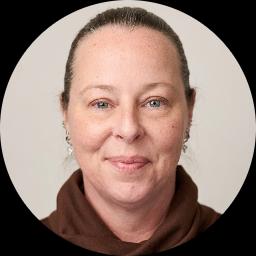
Nichole Arnold-Minkley is a Licensed Clinical Mental Health Counselor (LCMHC) practicing in North Carolina with three years of professional experience. She focuses on stress, anxiety, trauma and abuse, self-esteem, depression, and coping with life changes. Sessions are offered in English and she accepts international clients.
Nichole emphasizes practical steps and clear conversation rather than jargon. Her approach draws on evidence-based techniques aimed at reducing symptoms and building everyday skills. She helps people identify patterns that keep stress and low mood in place, and works with clients to develop concrete coping strategies.
Background and approach
Nichole mentions trauma-focused cognitive behavioral methods in her background and uses that work to address the effects of trauma and abuse. Nichole frames clients as the experts in their own stories and looks for strengths to build on. In sessions she listens for what is already working and suggests small changes that can make daily life more manageable.
She also supports people who are navigating big transitions, such as job changes, relationship shifts, or other life events that affect routine and mood. Her style is straightforward and goal-oriented, with an emphasis on practical skills for stress management and mood regulation. This can include techniques for anxiety reduction and steps to address low motivation or confidence.
For people comparing therapists, she offers a clear clinical lens and a short professional history. Prospective clients who want to begin will complete an initial matching process and schedule a first session to discuss fit and goals.
Therapeutic approaches and online sessions
Evidence-based therapeutic techniques are central to her work. One approach she references is trauma-focused cognitive behavioral work, which looks at how thoughts and behaviors maintain trauma responses and teaches practical skills to reduce those responses. This method often targets symptoms of anxiety, low mood, and reactions after abuse.Another common technique she uses is practical skills training for stress and anxiety. That involves learning specific strategies for managing symptoms, improving coping, and increasing confidence through repeated practice and small behavior changes.
Finding the right approach is part of the early sessions. She will work collaboratively with the client to review goals and preferences, then suggest which methods may help most. The plan can change as progress is made and as new needs emerge.
Online therapy can make it easier to fit sessions into a busy week. Confirm the current session formats before booking, since specific formats are not listed here. Clients often choose online sessions because they can schedule appointments without travel, use shorter check-ins when needed, or avoid camera use if that helps them engage. These practical benefits can help people keep therapy consistent alongside work and family responsibilities.
Frequently asked questions
What concerns does she address most often?
What is her general therapeutic approach or style?
How much clinical experience does she have?
What are her credentials and where is she based?
Which languages are supported for sessions?
Can people outside the United States work with her?
How are sessions paid for and what does it cost?
What are the steps to begin working with her?
Specialties and expertise
Top specialties
Also works with
- Experience
- 3 years
- Licensed
- North Carolina
- Languages
- English