- Credentials
- LCMHC
- License
- LCMHC, North Carolina / 16788
- NPI
- 1093150807
About Michael
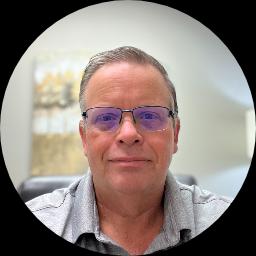
Michael Nichols is a Licensed Clinical Mental Health Counselor (LCMHC) licensed in North Carolina with 20 years of professional experience. He works with people who are dealing with stress, anxiety, anger, relationship strain, depression, and major life changes. Sessions are conducted in English and he does not take international clients.
Nichols uses practical, structured methods to address everyday problems. He draws on Cognitive Behavioral Therapy to identify thoughts and behaviors that keep problems going.
Background and approach
He also uses Solution-Focused Therapy to set concrete short-term goals and notice what changes help most. In a typical session he listens for what is most urgent, then suggests small, doable steps. He pays attention to communication patterns and impulsive reactions when those are part of the problem.
For people concerned about work, military transition, or men’s issues, he focuses on clear strategies for coping and communication. He approaches anger and social anxiety with skills practice and behavioral changes rather than long symbolic interpretation. For depression and general anxiety, sessions include mood tracking and testing manageable behavioral shifts.
When life changes feel overwhelming, he helps break decisions into specific actions. Clients start by completing a short matching questionnaire and scheduling a first session. Payment varies by location and uses a subscription that can be canceled at any time.
To begin, select the See online therapy options button and follow the sign-up steps.
How Michael Nichols uses CBT and Solution-Focused methods online
Michael Nichols commonly applies Cognitive Behavioral Therapy to help people spot and change thinking patterns and behaviors that contribute to anxiety, depression, or anger. In plain terms CBT involves tracking moods, testing unhelpful thoughts, and practicing new behaviors to see what makes a real difference. He also uses Solution-Focused Therapy, which emphasizes setting small, concrete goals and building on what already works. This approach is useful when someone wants quick, practical steps to improve communication, reduce impulsive reactions, or manage transitions. Finding the right approach is something to work out together. The therapist will talk with the client about goals, preferences, and what has or hasn’t helped before. From there he recommends a mix of techniques and checks progress as sessions continue. Online sessions can make it easier to fit therapy into a busy schedule and reduce travel time. Because formats are not specified in the biography, confirm which session types are offered before booking. Many people choose online work for shorter check-ins or to practice communication skills in real-life settings, and the therapist can adapt techniques so they are practical and usable between sessions.Frequently asked questions
What concerns does he work with most?
Which therapeutic approaches does he use?
How much experience does he have?
What are his credentials and where is he based?
Which languages are supported and can international clients work with him?
What session formats are offered?
How are fees handled?
How do I get started?
Specialties and expertise
Top specialties
- Stress, Anxiety
- Relationship issues
- Anger management
Also works with
- Communication problems
- Coping with life changes
- Depression
- Impulsivity
- Men's issues
- Social anxiety and phobia
- Veteran and Armed Forces Issues
Therapeutic approaches
- Experience
- 20 years
- Licensed
- North Carolina
- Languages
- English