- Credentials
- LCSW
- License
- LCSW, Utah / 14290829-3501
- NPI
- 1942948674
About George
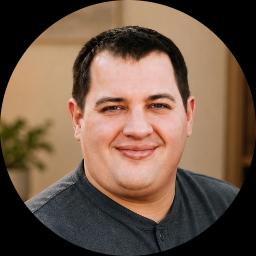
George Laub is a Licensed Clinical Social Worker (LCSW) based in Utah with three years of clinical experience. He works with people facing family concerns, trauma and abuse, grief, anger, and self-esteem issues. Sessions are conducted in English and his practice does not accept international clients.
Laub works with children, teens, and adults. He uses evidence-based therapeutic techniques and describes trauma recovery as a central focus. He applies Trauma-Focused Cognitive Behavioral Therapy where appropriate and combines that with a strengths-oriented perspective to help people identify coping skills and practical steps forward.
Background and approach
In sessions he pays attention to developmental needs and life stage differences. For young people he focuses on processing change and building skills for emotion regulation and communication. For adults he concentrates on processing difficult life transitions, grief, and patterns that affect relationships and behavior.
He also addresses related concerns such as attachment issues, autism and Asperger syndrome, communication struggles, control issues, eating and food-related problems, emptiness, guilt and shame, and questions about life purpose. Men's issues, narcissism, post-traumatic stress, and young adult challenges are listed among his focus areas. Laub frames therapy around clients' existing strengths.
He works with each person to build concrete coping strategies, improve communication, and reduce conflict where it appears. New clients are asked to complete a short matching questionnaire and then schedule an initial session to begin work together.
How evidence-based approaches are used in online sessions
Trauma-Focused Cognitive Behavioral Therapy is one approach he uses. It breaks trauma into manageable pieces and teaches skills for reducing symptoms and processing difficult memories. This method is often used for post-traumatic stress and complex trauma.A strengths-based approach is another key element. That means sessions focus on identifying what already works for the person and building practical coping strategies, communication skills, and routines that support daily life.
Finding the right approach is part of the work. He will collaborate with each client to decide which techniques fit their goals and preferences. This is a shared process that may shift as needs change.
Confirm the available session formats before booking. The profile notes online therapy as part of his practice, but specific formats are not listed here. Online sessions can make it easier to fit therapy into a busy week, reduce travel time, and allow brief check-ins when a full in-person visit would be difficult. Phone or lower-bandwidth options can be useful when internet quality varies, and shorter sessions can fit a work break. Ask about the exact session options when you complete the matching questionnaire.
Frequently asked questions
What concerns does he work with most?
What is his general therapeutic style?
How much clinical experience does he have?
What are his credentials and location?
Which languages are sessions offered in?
Can I work with him from outside the United States?
How does payment work and what does it cost?
How do I begin the process?
Specialties and expertise
Top specialties
- Family conflicts
- Trauma and abuse
- Grief
Also works with
- Anger management
- Attachment issues
- Autism and Asperger Syndrome
- Communication problems
- Control issues
- Eating and food-related issues
- Emptiness
- Family problems
- Guilt and shame
- Life purpose
- Men's issues
- Narcissism
- Post-traumatic stress
- Self esteem
- Young adult issues
- Experience
- 3 years
- Licensed
- Utah
- Languages
- English