- Credentials
- LCSW
- License
- LCSW, Idaho / LCSW-41012; LCSW, Utah / 14007990-3501
- NPI
- 1043732274
About Elizabeth
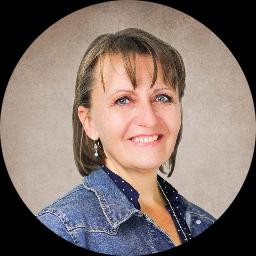
Elizabeth Harding is a Licensed Clinical Social Worker (LCSW) licensed in Utah and Idaho with 10 years of practice experience. She focuses on stress, anxiety, trauma and abuse, anger, depression, and ADHD. She also addresses communication problems and social anxiety and phobia.
Elizabeth offers services in English and works with people who want practical coping strategies and skills. Elizabeth describes using several evidence-based techniques to support clients. She draws on cognitive behavioral methods to identify patterns of thinking and behavior that keep problems going.
Background and approach
She also uses dialectical behavioral strategies to teach emotion regulation and distress tolerance skills. Her work includes expressive arts with a trauma focus and play-based ideas when appropriate. These approaches are used to help people express difficult feelings and practice new ways of responding.
Elizabeth reports using solution-focused methods to set clear, short-term goals and measure progress. Sessions emphasize building everyday coping strategies that can be used between meetings. Elizabeth aims to give simple tools for handling anger, anxiety, and attention challenges.
She also supports parents and family members who notice similar symptoms in their households. Clients are invited to begin with a short matching questionnaire and then schedule a first session. Elizabeth practices in Idaho and holds LCSW credentials in UT and ID.
Sessions are conducted in English and international clients are not accepted.
How evidence-based methods translate to online work
Elizabeth uses a mix of cognitive behavioral techniques and dialectical behavioral strategies in her practice. Cognitive behavioral techniques focus on identifying unhelpful thinking and testing new behaviors to reduce anxiety and depression. Dialectical behavioral strategies teach emotion regulation, distress tolerance, and interpersonal effectiveness skills that help when strong emotions or anger arise.She also incorporates expressive arts with a trauma focus to help people process difficult experiences in nonverbal ways. That approach can make it easier to express feelings that are hard to name and to practice new responses. Choosing which approaches to use is a collaborative step. The therapist will work with each person to pick methods that fit their goals, needs, and preferences and will adjust the plan as progress is tracked.
The profile indicates online therapy is offered, so confirm the specific session formats before booking. Confirm whether sessions will be video, phone, or another supported option when you complete the matching questionnaire. Online sessions can make it easier to fit meetings into work or school schedules, allow shorter check-ins when needed, and avoid travel time, while keeping the focus on concrete skills and homework between sessions.
Frequently asked questions
What concerns does she address most often?
What is her general therapeutic approach?
How much clinical experience does she have?
What are her credentials and where does she practice?
Which languages are supported for sessions?
Does she work with international clients?
How are sessions structured and paid for?
What is the first step to start working with her?
Specialties and expertise
Top specialties
- Stress, Anxiety
- Trauma and abuse
- Anger management
- Experience
- 10 years
- Licensed
- Idaho, Utah
- Languages
- English