- Credentials
- LCSW
- License
- LCSW, Kentucky / 255556; LCSW, Indiana / 34012404A; LCSW, Oklahoma / 20814
- NPI
- 1992384416
About Celes
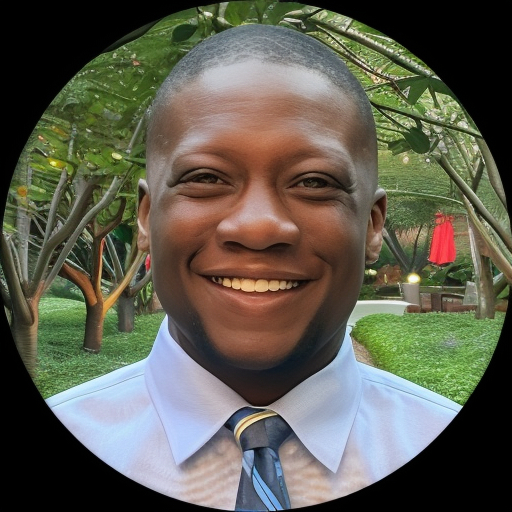
Celes Smith is a Licensed Clinical Social Worker (LCSW) practicing in Kentucky with eight years of clinical experience. He focuses on stress, anxiety, LGBT concerns, trauma and abuse, bipolar disorder, and depression. Sessions are described as person-centered and built around what the client wants to work on most.
Smith uses evidence-based practices while prioritizing the relationship with the person in the room. He works with clients to identify concrete therapy goals and adjusts strategies as goals evolve.
Background and approach
This means sessions often include practical skills and focused conversations about what is most difficult right now. His approach emphasizes listening first, then planning next steps together. Clients can expect straightforward discussion about symptoms, routines, and coping strategies.
The work is collaborative and goal-oriented rather than directive or prescriptive. Smith also considers broader life factors that affect mental health, such as stressors at work or in relationships. He uses that context to shape interventions that fit a person's daily life.
Over time the focus may shift from symptom reduction to maintaining gains and preventing relapse. For people comparing options, Smith presents a clear emphasis on person-centered work combined with evidence-based techniques. Prospective clients who want to begin an online match can follow the site process to complete a brief questionnaire and schedule a first session.
Therapeutic approaches and online care
Smith describes using evidence-based therapeutic techniques within a person-centered framework. One commonly used approach is brief, goal-focused work that teaches specific coping skills for anxiety and stress. This involves identifying triggers, practicing grounding or breathing strategies, and building routines to reduce daily distress.Another approach emphasizes trauma-informed conversation and pacing. That method focuses on helping people describe what happened, recognize reactions, and develop safety and stabilization skills before moving into deeper processing. It can be useful for people coping with abuse or other traumatic events.
Finding the right approach is part of the clinical process. The therapist will work collaboratively with clients to choose methods that match their goals, current difficulties, and personal preferences. That means initial sessions review what matters most and then select or adapt techniques together.
Confirm the session formats available before booking since the profile lists online therapy but does not specify exact formats here. Online work can make it easier to fit sessions into a weekday break, avoid travel time, or have a shorter check-in when schedules are tight. It also allows consistent follow-up between in-person visits when that is useful. Licensed professionals can adjust pacing and homework to suit how people prefer to work in virtual sessions.
Frequently asked questions
What concerns does he commonly address?
What is his therapy style?
How many years has he practiced?
What credential does he hold and where is he based?
Which languages are supported for sessions?
Can I work with him from another country?
How are sessions paid for?
How do I begin the process?
Specialties and expertise
Top specialties
Also works with
- Bipolar disorder
- Depression
- Experience
- 8 years
- Licensed
- Kentucky, Indiana, Oklahoma
- Languages
- English