Catherine Glass, LCSW
Licensed Clinical Social Worker - Stress and Relationships
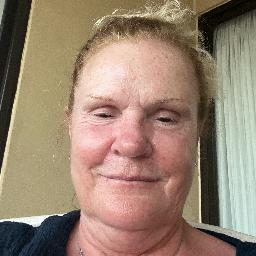
- Credentials
- LCSW
- License
- LCSW, New Jersey / 44SC05730500
- NPI
- 1861890592
About Catherine
Catherine Glass is a Licensed Clinical Social Worker (LCSW) in New Jersey with 30 years of professional experience. She works with people facing stress, anxiety, relationship concerns, family conflict, trauma and abuse, depression, and addictions. The biography also notes an additional focus in hospice and end-of-life counseling.
She offers services in English and does not accept international clients. Her style centers on creating an open environment where clients can talk about thoughts and feelings without judgment.
Background and approach
Sessions are intended to be straightforward conversations that name problems and look for workable steps. She emphasizes practical support rather than abstract explanations. In sessions she helps clients sort priorities and decide what feels manageable right now.
That can include breaking large problems into smaller tasks, learning ways to reduce day-to-day stress, and looking at patterns that affect relationships. For people coping with trauma or past abuse she works at a pace the client sets and focuses on safety and stabilization first. Catherine has worked in clinical settings for decades and brings that background into brief and longer-term work.
Her hospice and end-of-life experience informs how she discusses grief, care decisions, and supporting loved ones through difficult transitions. She encourages clear goals and regular check-ins about progress. To begin, prospective clients are asked to use the service matching flow to describe their needs and schedule an initial meeting.
Session billing uses a subscription model that can be canceled at any time, and exact costs vary with location.
Therapeutic methods and online sessions
Evidence-based therapeutic techniques are used to address symptoms and everyday problems. One common approach focuses on practical problem solving - identifying specific stressors, testing small changes, and tracking whether those changes reduce anxiety or improve relationships. This method is useful when people want concrete tools and measurable steps.Another approach emphasizes stabilization after trauma. It involves grounding exercises, learning how to recognize triggers, and developing coping strategies to reduce distress. This work is aimed at creating steadier daily functioning before addressing deeper memories or feelings.
Choosing the right approach is part of working together. The therapist will review needs, goals, and preferences and discuss which methods seem most helpful. That decision is collaborative and can change as the work progresses.
The biography confirms online therapy as a practice area, but specific session formats are not listed in the supplied profile. Before booking, confirm the current session options. In general, online therapy can make it easier to fit appointments into a busy life, avoid travel time, or have shorter check-ins when schedules demand it. It also allows continued work when in-person visits are hard to arrange, while the therapist and client agree on a plan that fits the client’s daily routine.
Frequently asked questions
What concerns does she focus on most?
What is her general therapeutic style?
How much clinical experience does she have?
What credential and location apply to her practice?
Which languages are offered?
Does she work with international clients?
How are sessions billed and what does it cost?
How do I get started with her?
Specialties and expertise
Top specialties
- Stress, Anxiety
- Relationship issues
- Family conflicts
Also works with
- Addictions
- Depression
- Hospice and end-of-life counseling
- Trauma and abuse
- Experience
- 30 years
- Licensed
- New Jersey
- Languages
- English