- Credentials
- LCMHC, LMHC
- License
- LMHC, Florida / MH13907; LPC, Georgia / LPC010063; LCMHC, North Carolina / 15295
- NPI
- 1922935808
About Carlie
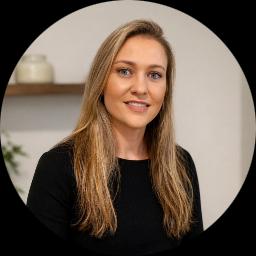
Carlie Kearney is a Licensed Clinical Mental Health Counselor (LCMHC) in North Carolina and a Licensed Mental Health Counselor (LMHC) in Florida with four years of documented experience. She works with people dealing with stress, anxiety, low self-esteem, career concerns, and depression. Sessions are conducted in English and she does not take international clients.
Carlie focuses on practical steps that can fit into a busy life. She helps people who feel stuck or overwhelmed by everyday demands.
Background and approach
Common topics include communication problems, isolation and loneliness, questions about life purpose, and building self-love. Her approach is collaborative and straightforward. She listens and then helps people try new habits and ways of thinking.
The work often involves identifying unhelpful patterns and testing manageable changes between sessions. Sessions aim to produce usable tools for handling stress and anxiety. People work on communication skills, clearer decision-making about careers, and ways to lift low mood.
Progress is measured in small, concrete steps rather than promises of quick fixes. Carlie draws on evidence-based therapeutic techniques and adapts them to what the individual prefers. She helps people choose methods that match their goals and daily routines.
To begin, clients use the site matching process and schedule an initial session.
Evidence-based approaches and online sessions
Evidence-based therapeutic techniques mentioned in her biography include cognitive-behavioral methods and humanistic approaches. Cognitive-behavioral methods focus on noticing and changing unhelpful thoughts and behaviors, which can help with anxiety, low mood, and stress. Humanistic approaches emphasize the person’s values and goals, helping clarify life purpose and increase self-acceptance. She also references rational-emotive ideas, which look at how beliefs affect emotions and actions and offer practical ways to challenge rigid or self-critical thoughts. These methods are presented as tools to try rather than fixed prescriptions; the therapist and client decide together which techniques to use. Finding the right mix of approaches is part of the work. The therapist will collaborate with the client to choose methods that fit their goals, needs, and daily routine. That collaborative process helps determine whether to focus more on thought work, behavioral experiments, values clarification, or a mix. Session logistics should be confirmed before scheduling because the biography does not list specific formats. Ask about the platform and whether sessions are by video or another format when you complete the matching steps. Online sessions can make it easier to fit appointments into a busy week, shorten commute time, and allow brief check-ins on tougher days, all of which can help therapy fit into everyday life.Frequently asked questions
What concerns does she work with most?
How would you describe her therapeutic style?
How much experience does she have?
What are her credentials and where is she located?
Which languages are supported?
What session formats are offered?
How does billing and cost work?
What are the first steps to start?
Specialties and expertise
Top specialties
- Stress, Anxiety
- Self esteem
- Career difficulties
- Experience
- 4 years
- Licensed
- Florida, Georgia, North Carolina
- Languages
- English