- Credentials
- LICSW
- License
- LICSW, Massachusetts / 128366
- NPI
- 1114692043
About B
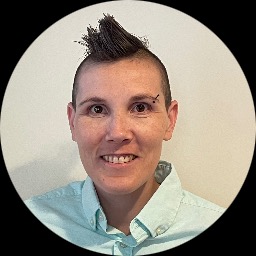
B Payson Croy is a Licensed Independent Clinical Social Worker (LICSW) in Massachusetts with three years of clinical experience. She works with people facing stress, anxiety, LGBTQ questions, relationship concerns, trauma and abuse, and life changes. Croy helps people talk through upsetting thoughts and feelings.
She focuses on clear, practical discussion about what is happening now. Sessions aim to identify patterns that cause distress and find steps a person can try between meetings.
Background and approach
Her approach includes dialectical behavior therapy techniques that teach concrete skills for managing strong emotions and improving relationships. She also uses psychodynamic ideas to look at patterns that developed over time and how they affect present behavior. Many clients bring concerns such as abandonment, attachment issues, codependency, communication problems, guilt and shame, and questions about life purpose.
Croy also works with mood disorders, post-traumatic stress, sexuality questions, and young adult issues. She offers sessions in English and practices from Massachusetts. People who are outside the United States are not accepted at this time.
To begin, select the See online therapy options button, complete a short matching questionnaire, and schedule a first session. Sessions use a subscription that can be canceled at any time. Costs vary by location, so prospective clients should review the subscription terms when they complete the matching process.
How DBT and psychodynamic work translate to online care
Dialectical behavior therapy focuses on teaching concrete skills for managing intense emotions, tolerating distress, and improving interpersonal effectiveness. That can help with anxiety, mood fluctuations, and relationship struggles by giving specific tools to use between sessions.Psychodynamic work looks at recurring patterns and how earlier experiences shape present behavior. Online conversations can surface those patterns and make them easier to name and change through regular reflection and discussion.
Finding the right approach is a collaborative process. The therapist will review goals, current concerns, and preferences and suggest whether DBT skills, psychodynamic exploration, or a mix is most useful. Clients and the therapist adjust course together as work progresses.
Confirm the current session options before booking since formats are not listed in the biography. Online sessions can make it easier to fit therapy into daily life by removing travel time and offering flexible scheduling. Some formats also work better for shorter check-ins or for times when using video is difficult; discuss what will fit into a typical day when arranging the first appointment.
Frequently asked questions
What concerns does she focus on?
What approach does she use in sessions?
How much clinical experience does she have?
What credential and location are listed?
Which languages are supported?
Can people outside the United States work with her?
How are sessions paid for and how much do they cost?
What are the steps to begin working together?
Specialties and expertise
Top specialties
- Stress, Anxiety
- LGBT
- Relationship issues
Also works with
Therapeutic approaches
- Experience
- 3 years
- Licensed
- Massachusetts
- Languages
- English