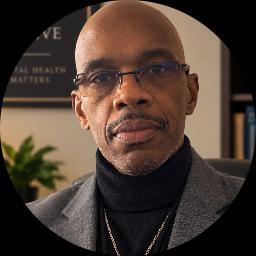
- Credentials
- LPC
- License
- LPC, Connecticut / 46.009530
- NPI
- 1740244763
About Patrick
Patrick Scott is a Connecticut licensed professional counselor (LPC) with 20 years of clinical experience. He focuses on stress, anxiety, addictions, relationship problems, depression, and coping with life changes. Patrick also works with codependency, communication problems, drug and alcohol addiction, infidelity, mens issues, and midlife crisis concerns.
He takes a direct, practical approach in sessions. He listens to what is happening now and helps people break problems into manageable steps.
Background and approach
Conversations look at patterns that keep problems repeating and at small changes that can make daily life easier. Sessions often include talk-based problem solving and skill practice. Patrick helps people notice unhelpful thinking, try new ways of communicating, and make clearer decisions about relationships and substance use.
The focus is on real-life skills rather than abstract concepts. He aims to be straightforward and respectful in sessions. People can expect clear goals, check-ins on progress, and adjustments to the plan when needed.
Patrick draws on two decades of experience to offer steady guidance during difficult transitions. For someone comparing options, his background points to steady clinical experience and practical work on addiction, mood, and relationship challenges. Prospective clients should confirm current session options before booking.
To begin, follow the directory steps to review online therapy options and schedule a first meeting.
Therapeutic approaches and how online sessions work
Patrick uses evidence-based therapeutic techniques focused on practical change. One common approach is cognitive work that helps people notice and reframe unhelpful thoughts. That kind of work can reduce anxious thinking and lift mood by changing daily thought patterns.Another approach emphasizes behavioral strategies and skill practice. This involves trying specific actions, communication exercises, or coping routines between sessions to address relationship problems and addiction-related behaviors. These techniques aim to create new habits that replace old, harmful patterns.
Finding the right method is part of the process. The therapist will work collaboratively with the client to decide which techniques fit the client's goals, current difficulties, and preferences. Adjustments are made over time based on what is helping.
Because the profile indicates online therapy, clients should confirm the exact session formats before booking. Online work can make it easier to fit sessions into a busy week, allow shorter check-in meetings when needed, and reduce the need to travel. It can also let people choose sessions at times that work around work or family commitments. Ask about session length and any technology needs when you schedule.
Frequently asked questions
What concerns does he focus on most?
How would you describe his therapy style?
How much clinical experience does he have?
What credential does he hold and where is he based?
Which languages are supported?
What session formats does he offer?
How are fees handled?
How do I begin a first session?
Specialties and expertise
Top specialties
- Stress, Anxiety
- Addictions
- Relationship issues
Also works with
- Codependency
- Communication problems
- Coping with life changes
- Depression
- Drug and alcohol addiction
- Infidelity
- Men's issues
- Midlife crisis
- Experience
- 20 years
- Licensed
- Connecticut
- Languages
- English