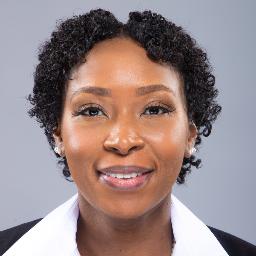
- Credentials
- LCSW
- License
- LICSW, Alabama / 5792C; LCSW, Tennessee / 9581; LCSW, Texas / 117584; LCSW, North Carolina / C019259
- NPI
- 1174369938
About Lakeasha
Lakeasha Ford is a Licensed Clinical Social Worker (LCSW) with three years of experience who works in Alabama. She supports people dealing with stress, anxiety, grief, anger, depression, and major life changes. She also focuses on concerns such as cancer-related stress, caregiver strain, communication problems, control issues, addiction, emptiness, family problems, guilt, shame, and questions about life purpose.
Her style is practical and straightforward. She helps people talk through feelings, identify unhelpful patterns, and try small changes that can make daily life easier.
Background and approach
Sessions include listening, reflecting, and suggesting steps to manage mood and stress. The aim is to break big problems into manageable parts. Lakeasha uses evidence-based therapeutic techniques to guide sessions.
She encourages people to notice what’s working and what isn’t, then adapts strategies based on progress. She pays attention to how stress, relationships, and responsibilities interact in a person’s life. Clients can expect a collaborative process that focuses on concrete skills and clear goals.
Topics often include coping strategies, communication skills, boundaries, and relapse prevention for substance issues. Work may also address grief, caregiver burden, and reconnecting with personal values and purpose. She practices with attention to cultural context and real-life demands.
For someone juggling medical care, caregiving, or major role changes, sessions aim to offer practical tools and steady problem-solving rather than abstract theory.
How evidence-based approaches are used in online sessions
Lakeasha uses evidence-based therapeutic techniques that focus on practical change. Cognitive-style methods help people notice and shift thought patterns that fuel anxiety or low mood. These methods teach simple steps to test unhelpful beliefs and try different responses in daily life.Behavioral strategies are used to change what people do day to day. This can include planning small activities to lift mood, building routines to reduce stress, or rehearsing new communication skills. For substance use concerns, the work often includes relapse-prevention planning and coping strategies for cravings and triggers.
Deciding which approach to use is part of the work together. The therapist will review goals, past efforts, and current challenges and then try approaches that fit those needs. Clients and the therapist adjust course based on what helps most over time.
If you are considering online sessions, confirm the session formats before booking. Online work can make it easier to fit therapy into busy schedules, reduce travel time, and allow shorter check-ins when needed. These practical benefits often help people keep a steady routine while working on stress, grief, communication, or recovery goals.
Frequently asked questions
What concerns does she work with most?
How would you describe her therapeutic approach?
What is her professional background and experience?
Where is she licensed and based?
Which languages are used in sessions?
Does she work with international clients?
How does payment and cost work?
How do I begin a first session?
Specialties and expertise
Top specialties
- Stress, Anxiety
- Grief
- Anger management
Also works with
- Cancer
- Caregiver issues and stress
- Communication problems
- Control issues
- Coping with life changes
- Depression
- Drug and alcohol addiction
- Emptiness
- Family problems
- Guilt and shame
- Life purpose
- Experience
- 3 years
- Licensed
- Alabama, Tennessee, Texas, North Carolina
- Languages
- English